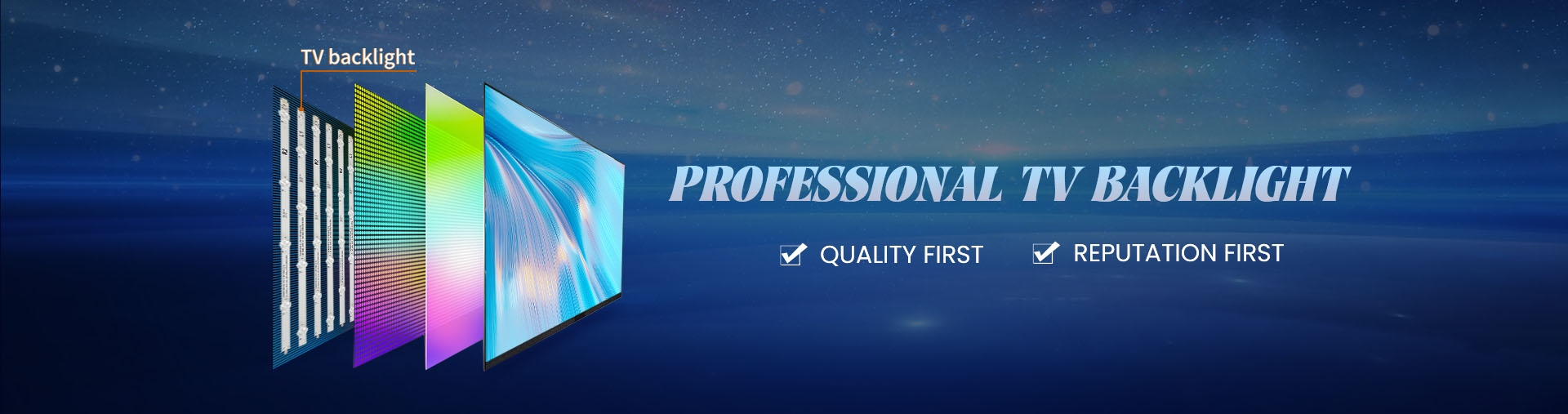
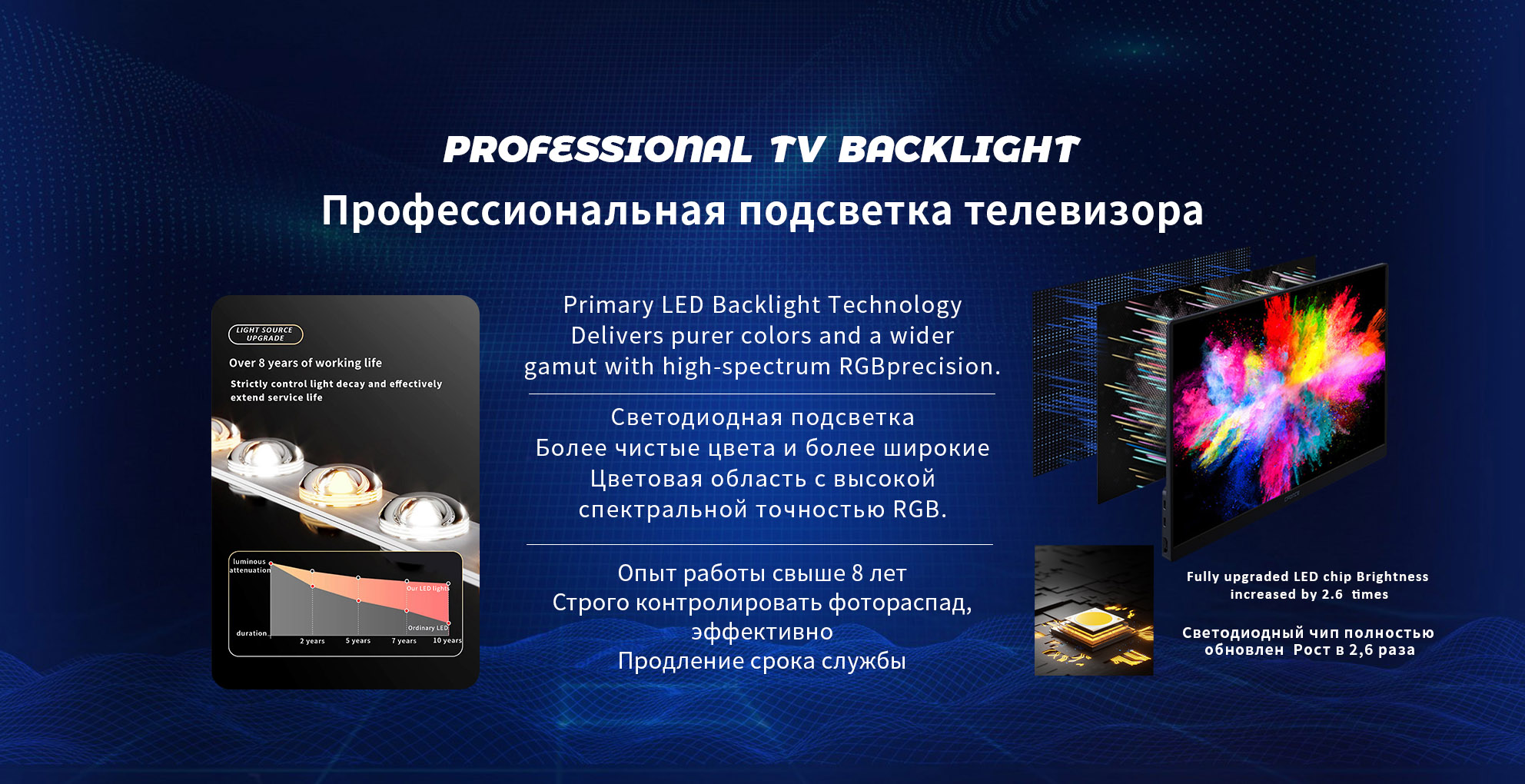
Matching a tv backlight strip model starts with identifying the code printed on the original LED bar rather than relying entirely on the television's external model number. Different panel versions may use different backlight assemblies, even within the same screen size. Reliable replacement identification requires checking the PCB revision, LED configuration, strip dimensions, electrical characteristics, and connector arrangement together.
Start With the Original PCB Identification
The original backlight usually contains printed information identifying its production design.
A marking may include a product series, revision number, LED configuration, or other factory identification details. These codes provide a more specific reference than the television's commercial model number.
For example, two 32-inch televisions may use strips with different lengths, LED quantities, or electrical connections despite having similar external dimensions.
When searching for replacement tv backlight strips, record the complete code, including letters, numbers, and revision suffixes.
Compare the Physical Structure
Once a possible replacement is identified, place its specifications alongside those of the original component.
The main dimensions are total PCB length, width, mounting-hole positions, connector location, and LED spacing.
The number of strips in a complete backlight assembly must also match. Some systems contain multiple bars with different positions or markings, making a single-strip comparison insufficient.
A correct electrical design will not guarantee proper installation when the mounting arrangement differs.
Can Similar Model Numbers Use Different Strips?
Yes. Production revisions and panel substitutions can result in different backlight configurations under similar television model names.
This makes it important to match tv backlight strip model information against the actual assembly rather than assuming that all televisions from one product series use identical components.
Particular attention should be given to revision numbers and strips marked for different mounting positions.
Verify Electrical and Optical Compatibility
Three technical areas require careful confirmation:
Voltage and current: Confirm the LED package rating, circuit arrangement, and compatibility with the original driver.
Connector configuration: Check pin assignment, polarity, connector position, and cable routing.
Lens geometry: Compare lens size, spacing, and alignment with the existing diffuser assembly.
Electrical testing should use suitable current-limited equipment. Applying an uncontrolled power supply to an unidentified LED string can damage the component.
For uncertain models, physical samples can provide additional evidence before order approval.
Build a Reliable Model Reference
A useful purchasing record should contain the original PCB code, replacement code, television model, panel identification where available, technical parameters, and verified sample photographs.
This information allows a tv backlight replacement parts supplier to distinguish between visually similar products and reduces the likelihood of repeated identification errors.
Why Does Accurate Model Matching Matter?
Incorrect model selection creates more than an installation problem. It can lead to additional disassembly, damaged connectors, unexpected lighting defects, and delayed repair completion.
Even when a substitute illuminates during initial testing, long-term compatibility remains uncertain if its thermal or electrical characteristics differ significantly.
The strongest replacement decision combines printed identification with dimensional and functional verification. Keeping a confirmed model database also improves repeat-order accuracy and helps prevent different revisions from being mixed in the same inventory.