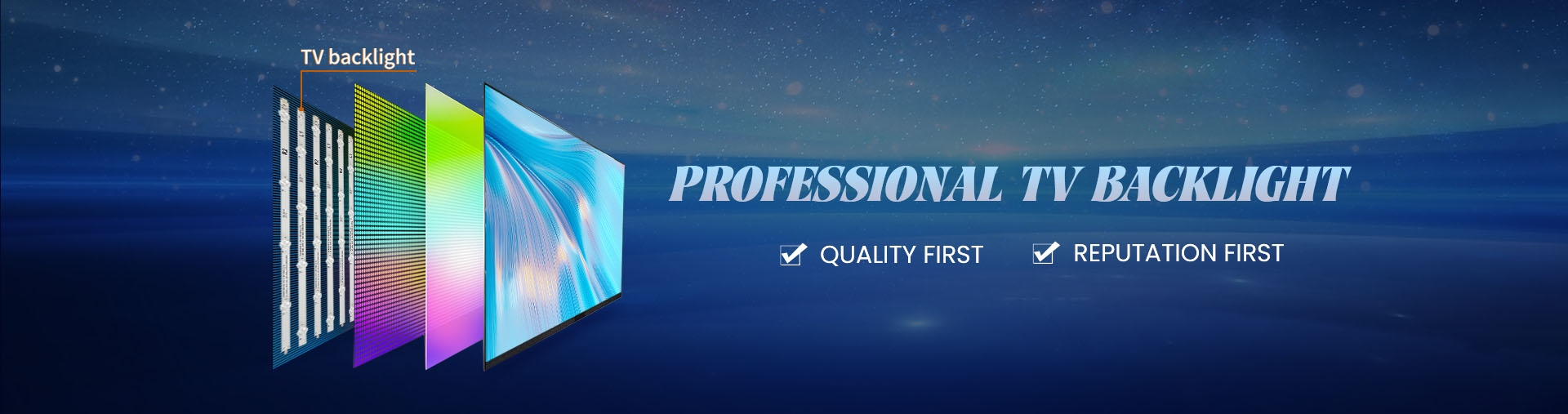
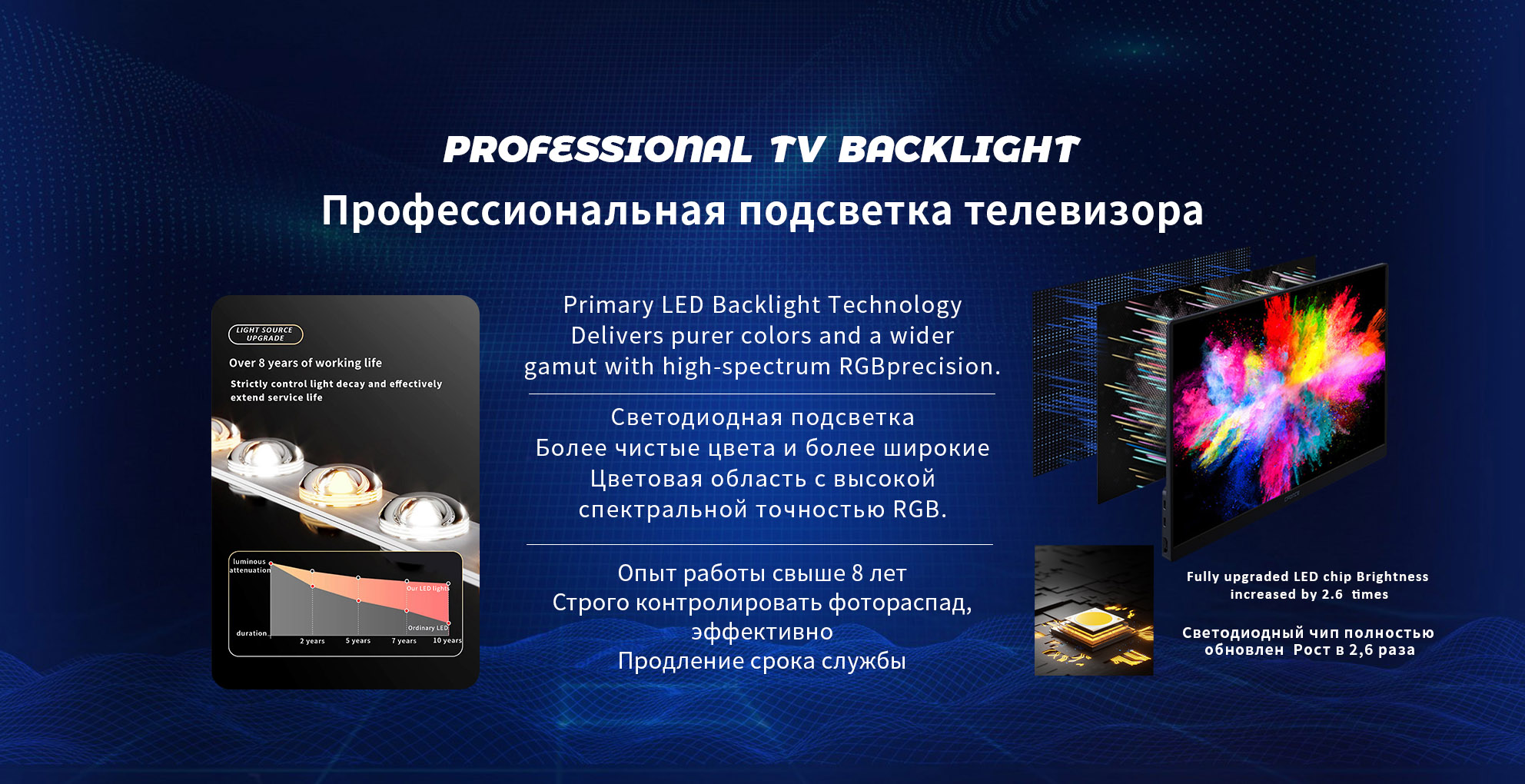
Finding a suitable samsung tv backlight replacement begins with identifying the original LED strip rather than selecting parts based only on the television model or screen size. The most reliable references are the printed PCB part number, strip revision, LED configuration, connector position, and physical dimensions. These details help distinguish between replacement assemblies that may look similar but have different electrical or mechanical requirements.
Televisions within the same product family can contain different panel assemblies. As a result, ordering Samsung tv led backlight strips without confirming the installed components may lead to incorrect replacements, additional repair work, and unnecessary inventory returns.
Start With the Television and Panel Information
Record the complete television model number and any available panel identification information.
These details provide an initial search reference, but they should not be treated as final proof of compatibility.
Where the original backlight assembly is accessible, examine its PCB markings. Codes beginning with identifiers such as LM41 may appear on certain Samsung-compatible backlight designs, although numbering formats vary.
Every character matters, especially revision numbers and identifiers indicating different strip positions.
Which Replacement Details Need Confirmation?
The search process should move from printed identification to physical and electrical verification.
First, compare the PCB length and width.
A difference of a few millimeters may prevent correct installation or affect the strip's alignment with the diffuser assembly.
Next, inspect LED quantity and optical lens spacing.
Two strips with matching dimensions can produce different illumination patterns when their LED positions differ.
Finally, verify the electrical design.
LED package voltage, circuit arrangement, connector polarity, and driver compatibility must correspond to the original configuration.
This process helps distinguish verified Samsung television backlight replacement models from products that merely resemble the original part.
Why Are Complete Backlight Sets Important?
Some television assemblies contain multiple strips arranged in specific positions. Individual bars may carry different identification markings even when they belong to the same set.
Replacing one failed strip can leave older LEDs operating alongside new components with different aging characteristics.
When several strips show deterioration, replacing the complete matched set may provide more consistent brightness and reduce the need for repeated panel disassembly.
However, the correct set quantity must be established from the actual television assembly.
How Can Replacement Orders Be Matched More Accurately?
A practical purchasing reference should include the television model, PCB markings, full-set quantity, original strip photographs, and confirmed replacement code.
When dealing with a wholesale Samsung TV backlight supplier, providing clear photographs of the connector and printed revision can reduce identification errors.
Sample verification is particularly useful when documentation lists several possible replacements for the same television model.
What Should Be Checked After Installation?
Before closing the display assembly, verify connector security, correct strip positioning, and stable illumination using appropriate repair procedures.
Once reassembled, examine the screen for shadows, bright spots, flickering, or unexpected brightness differences.
A successful initial power-on test is necessary but does not prove that every replacement characteristic is correct. Optical alignment and operating stability are equally important.
The safest purchasing method is to retain the complete reference information for every confirmed model. This allows later replacement orders to follow an established specification rather than repeating the identification process.
Accurate part matching ultimately reduces repair delays, incorrect stock selection, and the risk of damaging sensitive display components during unnecessary reassembly.