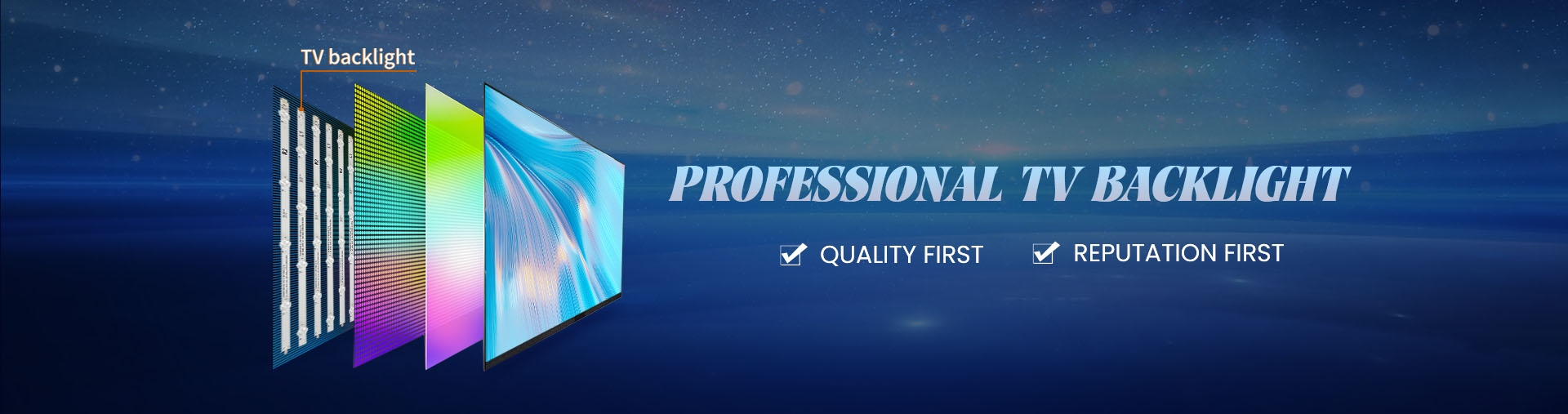
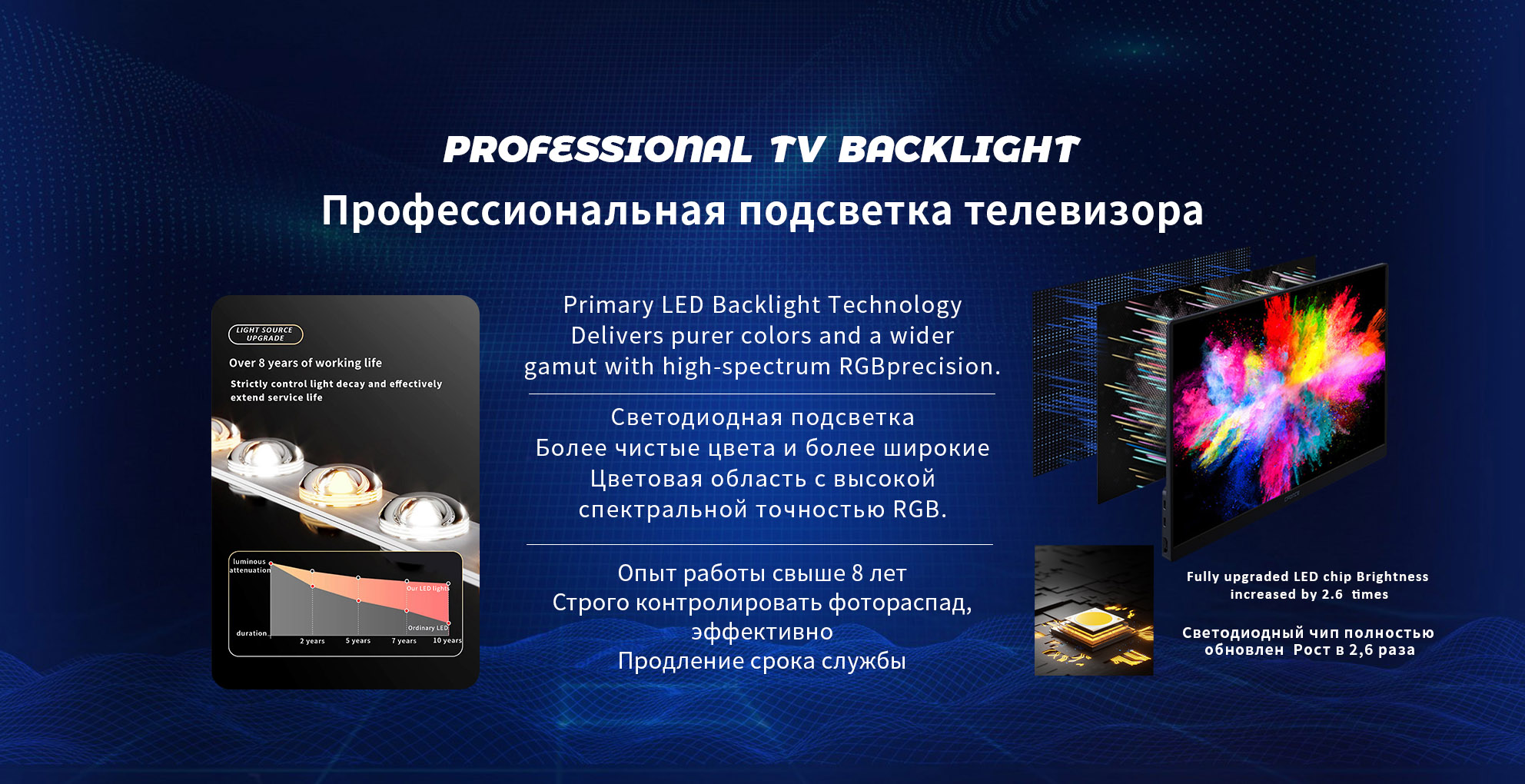
Hisense tv backlight strips are interchangeable only when their electrical specifications, dimensions, mounting arrangements, and optical characteristics are compatible with the original assembly. Sharing the same screen size or a similar television model number does not guarantee that two backlight strips can replace each other. Differences in LED quantity, driver requirements, connector design, or PCB revisions can prevent successful installation.
Some replacement products are listed under several PCB codes because those codes correspond to verified compatible configurations. However, such compatibility should not be extended automatically to every strip with a similar appearance.
What Determines Whether Two Strips Can Be Exchanged?
Before comparing television model names, examine the physical and electrical characteristics of both assemblies.
| Feature | Required Compatibility |
|---|
| PCB dimensions | Correct length and mounting layout |
| LED configuration | Compatible quantity and circuit arrangement |
| Voltage | Suitable LED and driver requirements |
| Connector | Matching position, pins, and polarity |
| Lens arrangement | Suitable optical distribution |
| Complete set | Correct number and position of strips |
These checks provide a more reliable basis for evaluating Hisense backlight strip model interchangeability.
A replacement that satisfies only four or five of these conditions may still produce installation difficulties or abnormal performance.
Can Different PCB Codes Refer to Compatible Parts?
Yes. Certain Hisense-compatible products may be listed with several equivalent PCB identifiers.
For example, some 32-inch replacement assemblies are associated with HD315DH-B21, HD315DH-B51, and HD315DH-E81 markings. Such cross-references can be useful when locating replacement parts for older televisions.
However, this does not establish compatibility for every revision bearing a related code.
Actual dimensions, electrical configuration, and installation requirements must still be checked before substitution.
Why Can Similar Strips Produce Different Lighting Results?
Optical geometry is one of the most easily overlooked differences.
An LED lens distributes light across the diffuser assembly. Its height, shape, and distance from neighboring LEDs influence the illumination pattern.
Even when two strips operate at the same voltage, different lens spacing can create bright areas or shadows on the finished screen.
The PCB mounting position also affects heat transfer. Poor contact with the metal support may increase operating temperature and accelerate LED deterioration.
Therefore, visual similarity alone cannot establish reliable interchangeability.
How Should Substitutes Be Verified?
For uncertain replacements, compare the original and proposed assemblies under controlled test conditions.
Important checks include:
Confirming PCB codes and physical dimensions.
Verifying the LED circuit and connector polarity.
Checking the complete set arrangement.
Testing illumination and screen uniformity after installation.
A Hisense tv backlight parts supplier should distinguish between confirmed replacement references and products that require additional sample testing.
Manufacturing consistency also matters. Accurate LED placement, controlled soldering, and secure lens attachment help ensure that verified replacement specifications remain consistent between production batches.
When Is an Exact Model Replacement Necessary?
An exact replacement is preferable when the original PCB identification is available and the corresponding assembly can be obtained.
Substitute strips may be practical when original components are discontinued, but they should be accepted only after confirming electrical, mechanical, and optical suitability.
A compatible alternative should not require unsafe electrical modifications or excessive force during installation. Such adjustments may create problems that are not visible during a short functional test.
For multiple television models, maintaining a verified interchangeability record is more useful than grouping components solely by screen size. The record should include original markings, substitute codes, dimensions, circuit details, and testing results.
Ultimately, interchangeability must be demonstrated through specification matching and functional verification. This approach limits unnecessary returns while helping ensure stable brightness, correct installation, and dependable replacement performance.