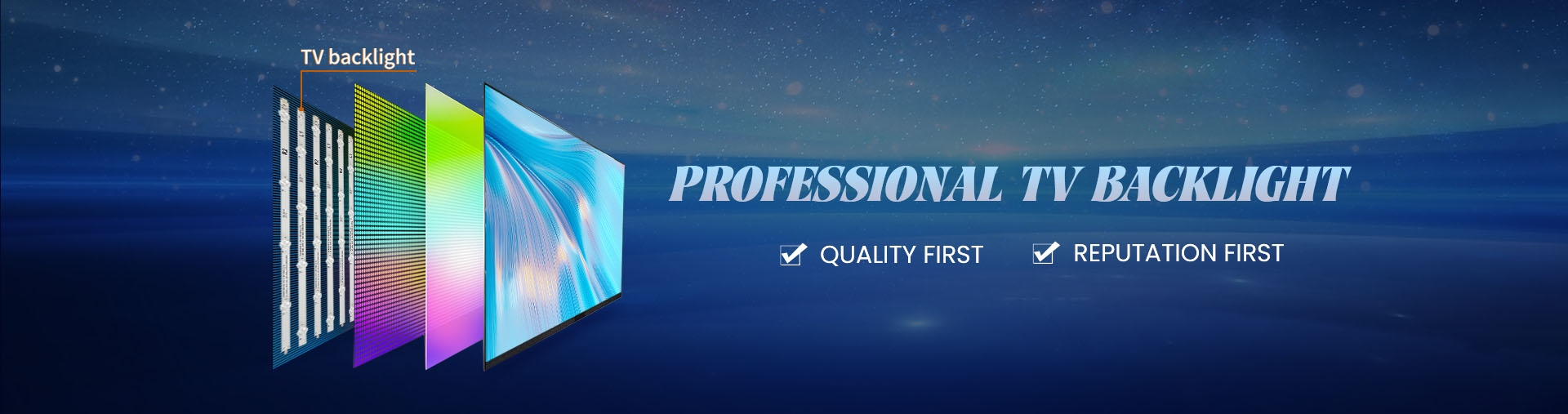
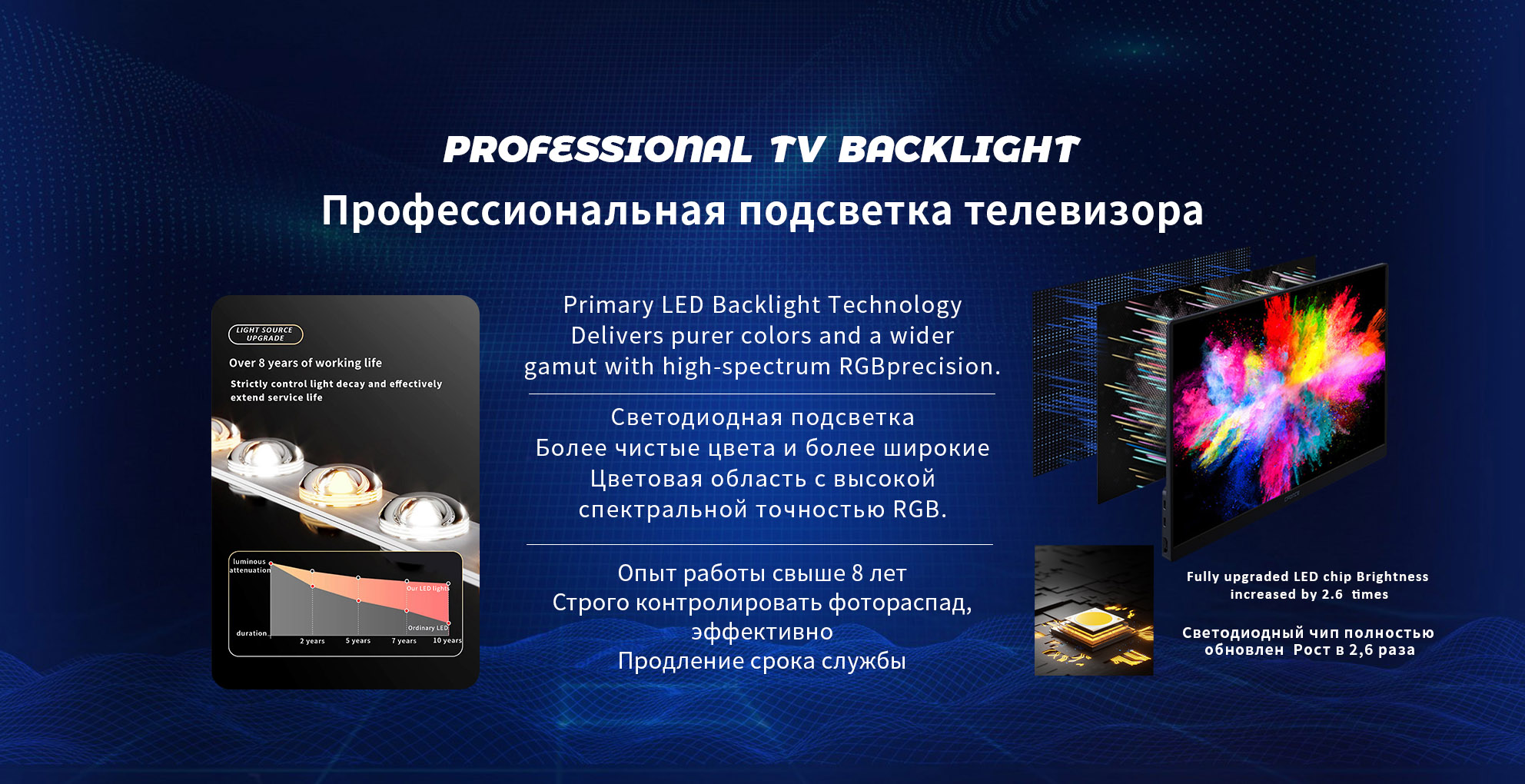
Backlight LED color differences mainly result from variations in LED chip characteristics, phosphor composition, operating temperature, and aging conditions. Even when LEDs produce similar brightness, their emitted white light may have different color temperatures or spectral distributions. These differences can create blue, yellow, or uneven color areas on a television screen, particularly when replacement strips contain LEDs from different production batches.
For white led tv backlight strips, consistent color performance depends on selecting suitable LED components and maintaining stable electrical and thermal conditions throughout operation.
Why Do White LEDs Produce Different Colors?
Most conventional white backlight LEDs combine a blue-emitting semiconductor chip with phosphor materials that convert part of the blue light into longer wavelengths.
Changes in phosphor thickness, composition, or conversion efficiency affect the final light spectrum. Differences in LED chip characteristics can further influence the resulting white point.
Manufacturers classify LEDs into bins according to measured optical characteristics. Using components from different color bins may introduce visible variation, even when their electrical ratings are similar.
How Does Temperature Change LED Color?
LED temperature affects both light output and spectral behavior.
Poor thermal contact between the strip and its mounting surface can increase junction temperature. This may accelerate phosphor deterioration and produce gradual changes in color appearance.
Long-term operation can also cause neighboring LEDs to age differently, especially when heat distribution across the backlight assembly is uneven.
What Does Each Color Symptom Suggest?
| Screen Appearance | Possible Explanation |
|---|
| Blue or purple tint | Phosphor deterioration or conversion loss |
| Yellowish region | Different LED spectrum or aging |
| Uneven white areas | Mixed LED color bins |
| Local color patches | Uneven aging or optical differences |
These symptoms provide diagnostic clues but cannot identify a defective component without further testing.
How Is Color Consistency Controlled During Production?
Managing backlight LED color temperature variation requires more than visually inspecting illuminated strips.
A manufacturing process may combine LED bin verification, controlled driving current, thermal management, and optical measurement to reduce variation.
StarSharp's replacement backlight applications also require appropriate lens positioning because optical geometry affects how individual LED outputs combine beneath the diffuser.
A color consistent backlight strip manufacturer should evaluate both initial LED characteristics and consistency between replacement batches.
Should Backlight LEDs Be Replaced Individually?
Individual LED replacement may restore illumination, but mixing new and aged LEDs can leave differences in color temperature and brightness.
When several LEDs exhibit discoloration or deterioration, replacing a complete matched set may produce a more uniform result. Electrical specifications and lens geometry must still correspond to the original assembly.
A screen with a blue tint does not automatically indicate a defective backlight. Display settings, signal processing, and other components should also be considered before replacement.
For repeatable repair results, color consistency should be evaluated under stable operating conditions rather than judged from a brief power-on test. Measurements become more meaningful when the backlight reaches a representative operating temperature.
Matching LED specifications, optical characteristics, and production batches reduces the likelihood of visible color differences. Complete assembly verification remains the most reliable approach when uniform screen appearance is the primary requirement.