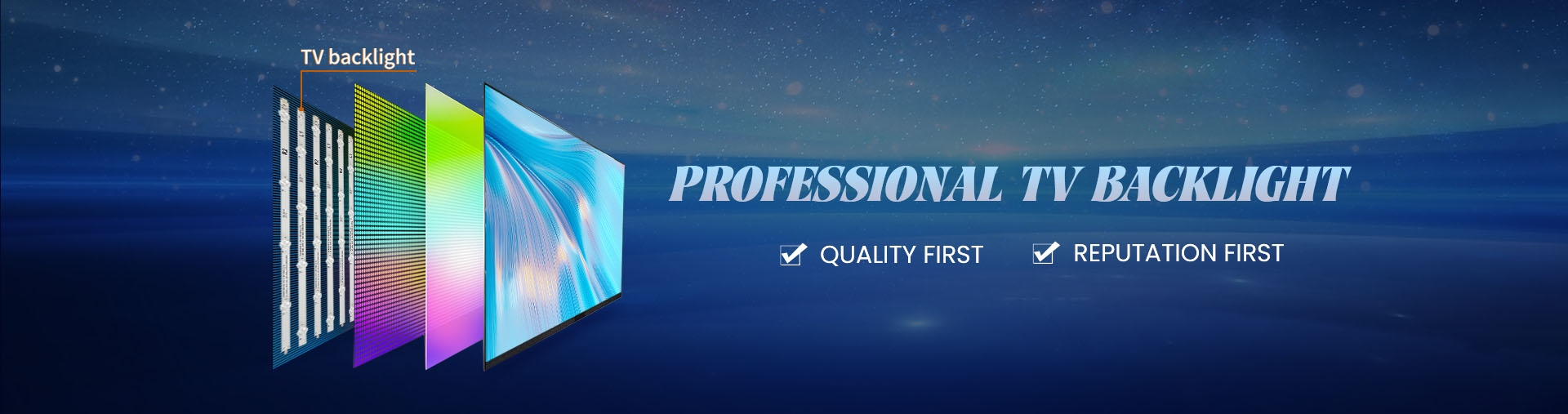
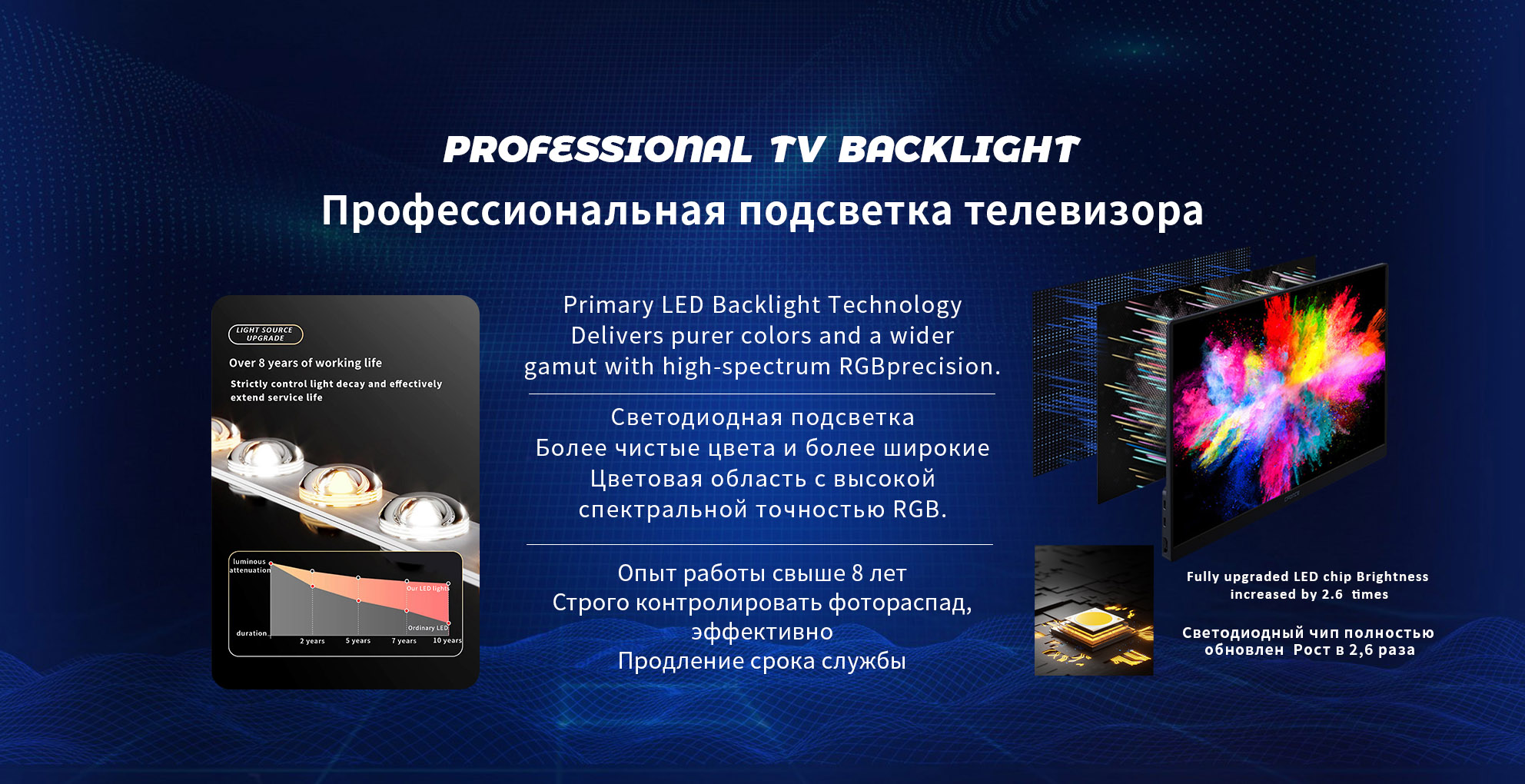
Older lg televisions require backlight strips matched to their original panel assembly, PCB identification, electrical configuration, and mounting structure. Replacement suitability cannot be determined from screen size or manufacturing year alone. Many older models contain different strip revisions or paired A-type and B-type components, making complete identification essential before selecting replacement parts.
Finding LG TV replacement backlight strips can be particularly challenging when original assemblies are discontinued, their printed identification is partially damaged, or multiple compatible references appear in parts listings.
Why Are Older Television Models Harder to Match?
Replacement availability depends on the specific backlight assembly rather than simply the age of the television.
Production revisions may change LED quantities, connector positions, PCB dimensions, or lens arrangements. Different panel variants can also exist within one commercial model series.
For instance, StarSharp lists replacement references such as 6916L-1204A and 6916L-1426A in products associated with certain older 32-inch television models.
These identifiers are useful starting points, but their compatibility must be verified against the original installed assembly.
Find the Correct Strip Through Physical Identification
Where the original LED bars are available, printed markings offer the strongest initial evidence.
Record the complete part number, revision, strip position, and any corresponding A/B designation.
Compare photographs of both ends of the replacement strip, not just the center section. Connector placement and mounting holes can reveal differences that are difficult to recognize from model descriptions.
The number of required strips should also be established before ordering. Some assemblies use multiple bars that must remain in their intended positions.
Can a Newer Replacement Fit an Older LG TV?
A newly manufactured replacement may fit an older television when it reproduces the necessary original specifications.
However, newer production does not automatically mean improved compatibility. Higher LED brightness, a different lens design, or altered electrical characteristics may create problems within the existing display system.
The key question is whether the proposed replacement maintains the correct operating conditions and optical distribution.
A substitute should be evaluated as an equivalent technical assembly rather than an upgraded light source.
What Should Be Compared Before Purchasing?
The following distinctions are especially important when evaluating older LG television backlight compatibility.
| Original Component | Replacement Requirement |
|---|
| PCB code | Exact or verified equivalent |
| Strip position | Correct A/B configuration |
| LED electrical design | Compatible voltage and current |
| Lens layout | Matching spacing and geometry |
| Mounting structure | Suitable holes and connector location |
An LG backlight strip wholesale manufacturer may provide several cross-reference numbers for one replacement set. Those references should be supported by specifications rather than assumed interchangeable.
How Can Future Replacement Errors Be Reduced?
For older television parts, maintaining a verified reference record is particularly valuable. Each record should connect the television model and panel version with the original PCB marking, replacement code, and confirmed set quantity.
Photographs of the original assembly are useful when printed markings are incomplete. Sample testing can also help resolve uncertainty between visually similar revisions.
When the original product is no longer available, preference should be given to a replacement with documented electrical, mechanical, and optical compatibility rather than one selected by approximate dimensions alone.
Older televisions can remain serviceable when suitable replacement assemblies are available, but an incorrect backlight can introduce uneven illumination, driver stress, or unnecessary repair work.
Reliable matching therefore depends on identifying the actual backlight assembly and preserving that information for subsequent orders. A verified replacement record is more dependable than relying on television age, screen size, or broad compatibility claims.