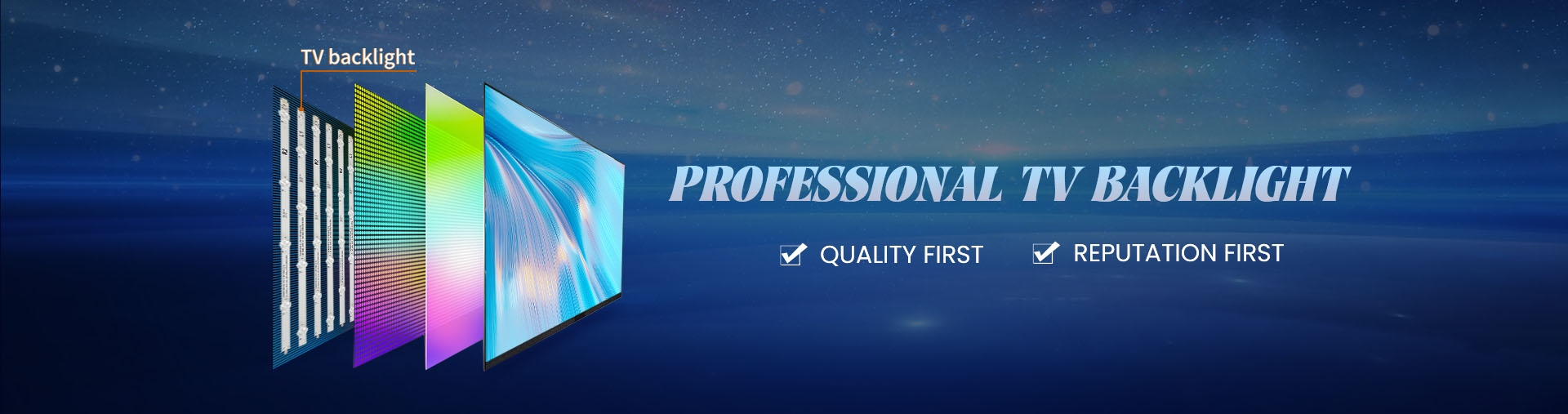
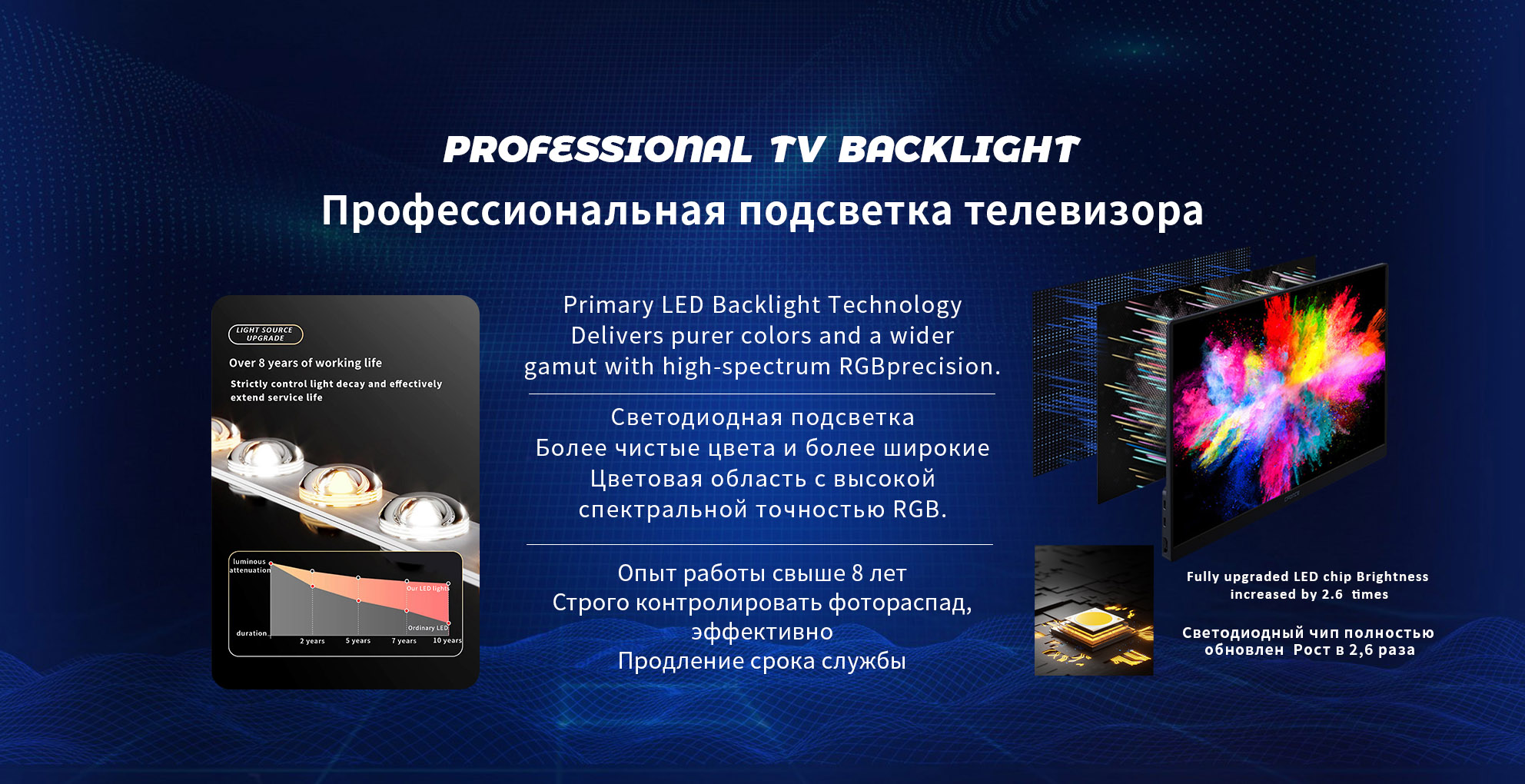
A television that produces sound but displays no picture may have failed led backlights, a defective backlight driver, an LCD panel problem, or a video-processing fault. When the screen remains completely dark while audio and remote functions work normally, backlight failure becomes a strong possibility. However, the actual cause should be identified before ordering replacement parts, because similar symptoms can result from different electronic faults.
A dark screen does not necessarily mean the entire display panel is defective. On LCD televisions, image formation and backlight illumination are separate functions, allowing the picture signal to remain active even when the LEDs stop producing light.
Is the Backlight Actually Defective?
The easiest initial check is to observe whether the television produces any light during startup.
A screen that briefly flashes and immediately becomes dark may indicate an LED string fault or protection activity within the driver circuit. A completely black screen without any visible illumination requires further investigation.
The flashlight test provides another useful clue. With the television displaying an active menu, shine a flashlight diagonally across the screen.
If faint images become visible, the LCD may still be generating a picture while its backlight is not operating.
This result supports a backlight-related diagnosis but does not identify whether the fault is inside the LEDs, driver, or power circuitry.
Which Other Components Can Cause This Symptom?
TV sound without picture causes should be separated into several possible fault categories.
Backlight LED failure
An open LED within a series-connected string can interrupt current flow. Depending on the circuit design, the driver may shut down part or all of the backlight.
Backlight driver malfunction
A defective driver may fail to supply the required current even when the led strips remain functional.
Video or panel-related faults
Problems involving the timing controller, panel connections, or display electronics may prevent a visible image despite normal audio.
Each condition requires a different repair decision.
When Should Backlight Replacement Be Considered?
Replacement television led backlight strips become relevant after testing establishes that the installed LED assembly is defective.
A qualified technician may use current-limited testing equipment to evaluate accessible LED strings after safely opening the television.
Damaged LEDs, unstable illumination, or visibly deteriorated components can indicate the need for replacement.
When multiple strips have aged together, installing a complete matched set may provide more consistent brightness than replacing only one failed component.
Why Does Correct Diagnosis Matter?
Ordering components based only on the symptom can result in unnecessary inventory costs and repeated repairs.
A television repair backlight parts supplier can help identify suitable replacement specifications, but the actual fault and original strip model should first be confirmed.
The most useful purchasing information includes the PCB identification, LED configuration, strip quantity, and connector photographs.
A successful repair should restore both normal image visibility and stable illumination. Initial startup alone cannot establish whether an underlying driver issue has been resolved.
After replacement, the television should be checked for flickering, abnormal brightness, uneven illumination, and unexpected shutdowns during normal operation.
Separating the lighting fault from other electronic problems makes the repair process more predictable. It also prevents unnecessary panel replacement when the original LCD image-generation system remains functional.