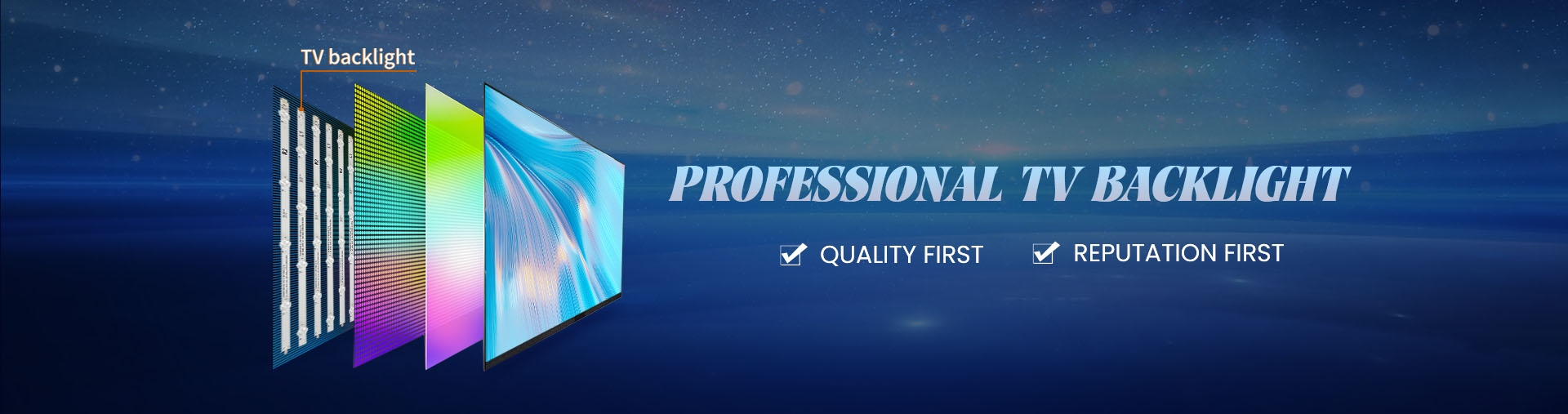
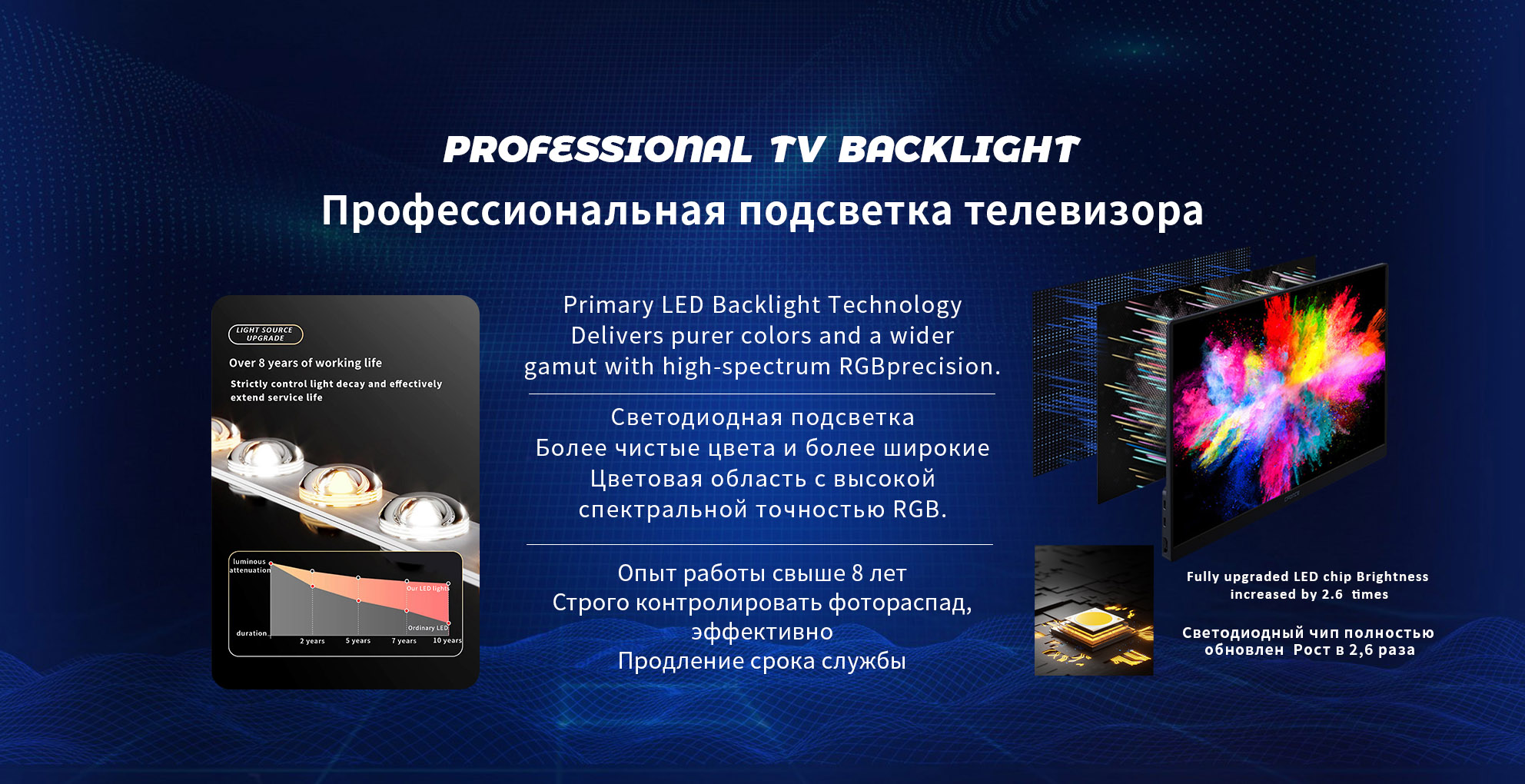
Bright spots on LCD television screens often appear when the backlight no longer distributes light evenly across the display. Common causes include detached LED lenses, damaged optical diffusers, incorrect replacement lens geometry, and uneven LED positioning. A concentrated bright patch may indicate that light from one LED is reaching the screen without being spread correctly. However, not every bright spot originates from the backlight, so its appearance and behavior must be examined before replacing components.
The location, shape, and visibility of the bright area provide useful clues. Round spots that remain fixed across different images are particularly relevant when examining the optical structure behind an LCD panel.
Why Can a Loose LED Lens Create a Bright Circle?
Direct-lit televisions commonly use optical lenses to spread light from individual LED packages across a wider area.
When a lens becomes detached or shifts away from its intended position, the corresponding LED may produce a concentrated region of illumination.
This can create a visible circular bright spot, especially on uniform gray or white screen backgrounds.
The effect is not necessarily caused by excessive LED power. It may result entirely from a change in how the existing light is distributed.
Can Replacement backlight strips Cause Bright Spots?
Replacement strips can introduce optical inconsistencies when the lens dimensions or LED spacing differ from the original design.
For optical lens tv backlight strips, the relationship between lens height, diffusion distance, and LED position is particularly important.
A lens with a narrower distribution pattern may concentrate more light directly above the LED. Incorrect strip positioning can produce similar results even when electrical specifications match.
This is why physical compatibility alone does not guarantee uniform illumination.
How Are Optical Problems Distinguished?
The following observations can help narrow the possible TV screen bright spot causes.
| Observation | Possible Cause |
|---|
| Round bright circles | Detached or displaced LED lenses |
| Repeated bright patterns | Incorrect lens spacing or strip alignment |
| Broad cloudy regions | Diffuser deformation or optical layer issues |
| Small fixed pixel points | Panel pixel defects rather than backlight |
| Bright areas near edges | Light-guide or assembly irregularities |
These patterns are diagnostic indicators rather than conclusive evidence.
Why Does Manufacturing Accuracy Matter?
Consistent optical performance depends on accurate LED placement and secure lens attachment during production.
A uniform lighting backlight strip manufacturer must control lens alignment, bonding quality, PCB flatness, and component positioning.
Small changes in lens placement can influence the combined illumination pattern when light passes through the television's diffuser layers.
Thermal conditions also deserve attention because repeated heating and cooling may affect adhesives and mechanical stability over time.
Should the Entire Backlight Assembly Be Replaced?
A detached lens does not always mean every LED strip has failed. However, extensive lens deterioration, aging LEDs, or multiple damaged components may justify replacing the complete matched assembly.
Before selecting replacement parts, compare original lens positions, PCB dimensions, and LED quantities. The diffuser layers should also be inspected for deformation or damage.
If the replacement assembly is electrically correct but optically different, replacing it may still fail to eliminate the bright areas.
Bright spot diagnosis should therefore begin with the visible pattern and continue toward the underlying optical structure. Increasing or reducing backlight brightness through picture settings may change how noticeable the defect appears, but it does not correct a displaced lens.
A reliable repair restores the intended light distribution rather than merely restoring LED operation. Accurate optical matching is essential for achieving consistent screen appearance after reassembly.