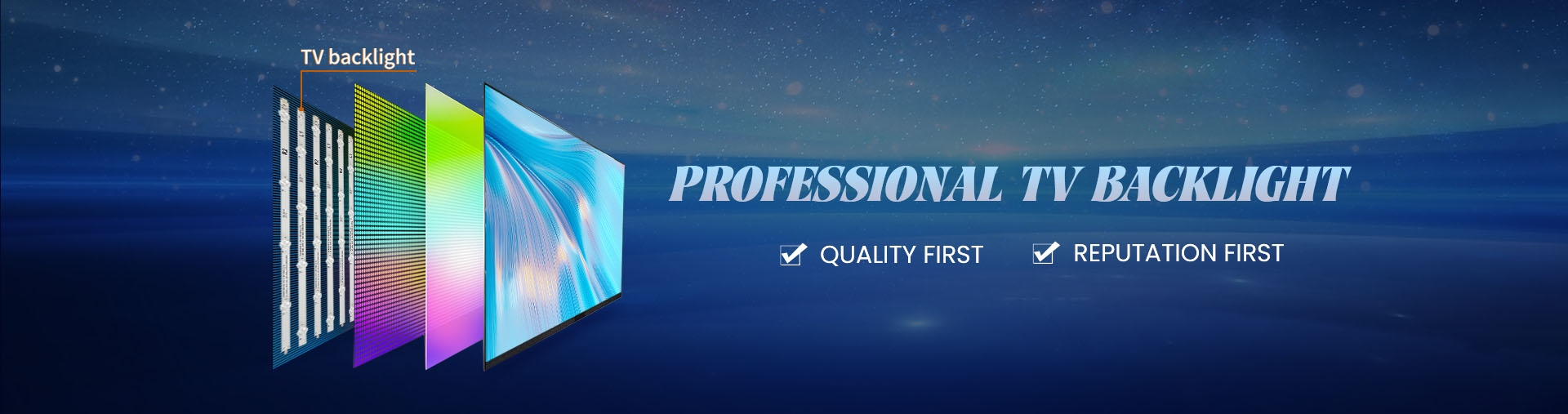
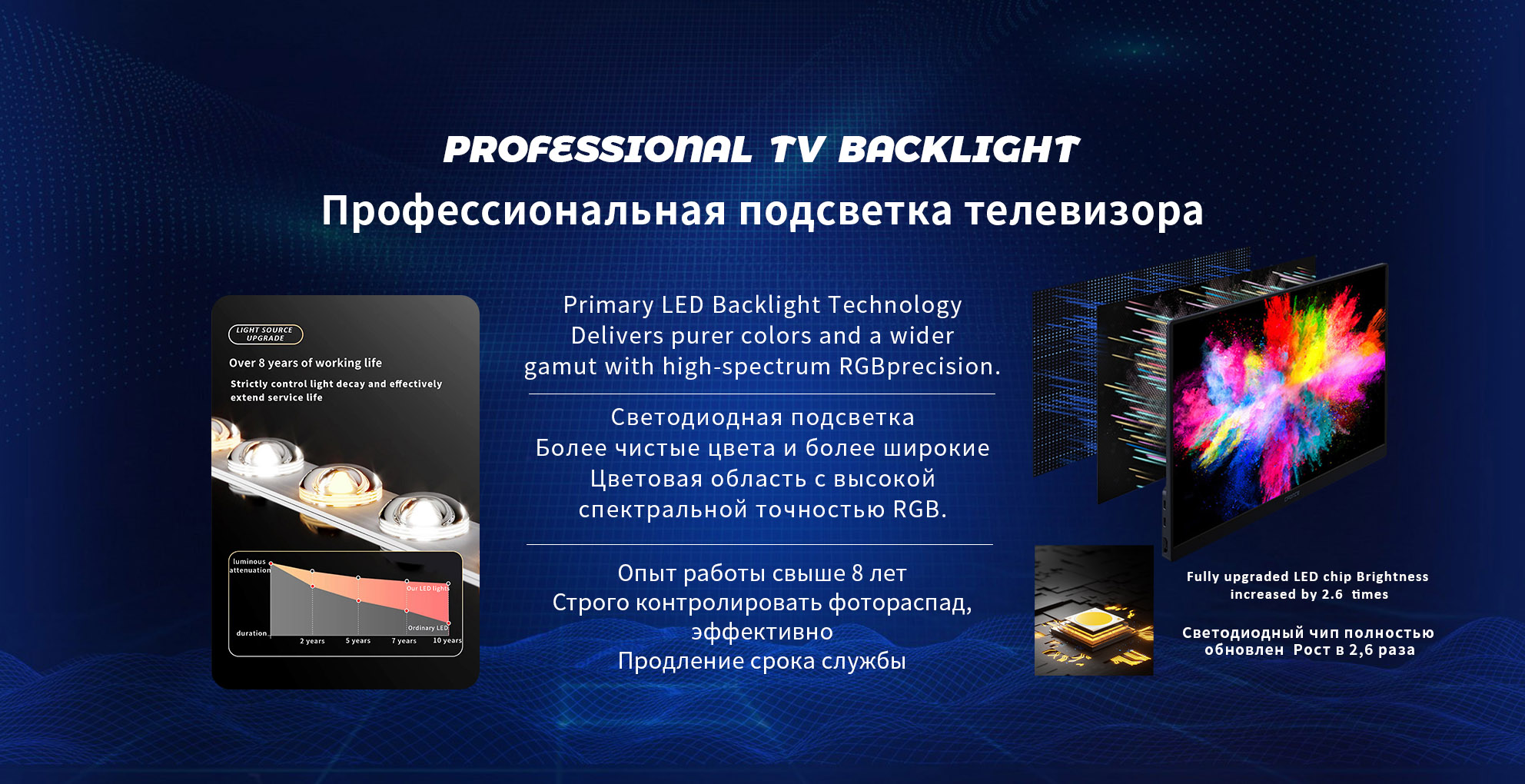
Backlight strip length directly affects television compatibility because LED bars must fit the internal mounting structure and align with the display's optical system. A strip that is too long may not fit the chassis, while a shorter strip can leave mounting points or illumination areas misaligned. However, matching the overall length is not sufficient by itself. LED spacing, connector position, mounting holes, electrical configuration, and lens geometry must also correspond to the original assembly.
For tv backlight replacement strips, even relatively small dimensional differences can prevent proper installation when the original television uses fixed mounting points and precisely positioned optical components.
Which Dimensions Should Be Measured?
Overall PCB length provides the starting measurement, but several additional dimensions determine whether a replacement will fit correctly.
| Measurement | Why It Matters |
|---|
| Total PCB length | Determines available installation space |
| PCB width | Affects mounting clearance |
| Mounting-hole spacing | Controls fastening alignment |
| LED center spacing | Influences light distribution |
| Connector position | Determines wiring compatibility |
| Lens height | Affects optical clearance |
Measurements should be taken from the original component rather than estimated from television screen dimensions.
Can Two Strips Have the Same Length but Different Designs?
Yes. Identical PCB lengths can accommodate different LED quantities, circuit configurations, and mounting arrangements.
For example, two strips measuring approximately 590 mm may contain different LED positions or connector layouts.
Although both components fit within a similar physical space, they may not provide the same illumination pattern or electrical behavior.
This explains why tv backlight strip length compatibility must be evaluated alongside other specifications.
What Happens When the Length Is Incorrect?
A longer PCB may interfere with structural supports or fail to align with the original mounting points.
Forcing the strip into position can damage the board, interfere with optical components, or create poor thermal contact.
A shorter replacement may leave part of the intended illumination area inadequately covered. If its LEDs do not align with the optical system, shadows or brightness differences can appear across the display.
Length discrepancies may also prevent correct positioning of the connector or fastening points.
How Should Length Be Verified in Practice?
A practical inspection follows the actual geometry of the original assembly.
Measure the complete PCB from end to end.
Record the distance between mounting-hole centers.
Measure LED spacing from center to center.
Identify the position and orientation of connectors.
Compare the original and replacement PCB codes.
A digital caliper or suitable precision measuring tool can help establish dimensions more reliably than visual estimates.
For multi-strip assemblies, measurements should cover every distinct bar design, including any left-right or A/B configurations.
Is Length More Important Than Voltage?
Neither specification can replace the other.
Correct dimensions establish mechanical suitability, while electrical compatibility determines whether the LEDs can operate properly with the television's driver.
A strip with perfect mounting alignment may still be unsuitable if its forward voltage or circuit configuration differs from the original.
Similarly, an electrically compatible strip cannot provide dependable performance if its optical lenses are positioned incorrectly.
How Can Dimensional Errors Be Prevented?
When comparing replacement products, specifications should include more than a single length measurement.
A replacement strip wholesale manufacturer supplier should provide identifiable part numbers, PCB dimensions, LED counts, and connector information so potential differences can be reviewed before ordering.
Where original markings are unclear, detailed photographs with measurement references can support a more accurate comparison.
Dimensional verification becomes particularly important when different revisions share similar names. Maintaining separate records for each confirmed configuration helps prevent visually similar components from being mixed during repeat orders.
The correct replacement should reproduce the original mounting geometry and preserve the intended illumination pattern. Length is an essential selection criterion, but dependable compatibility comes from matching the complete mechanical, electrical, and optical design.