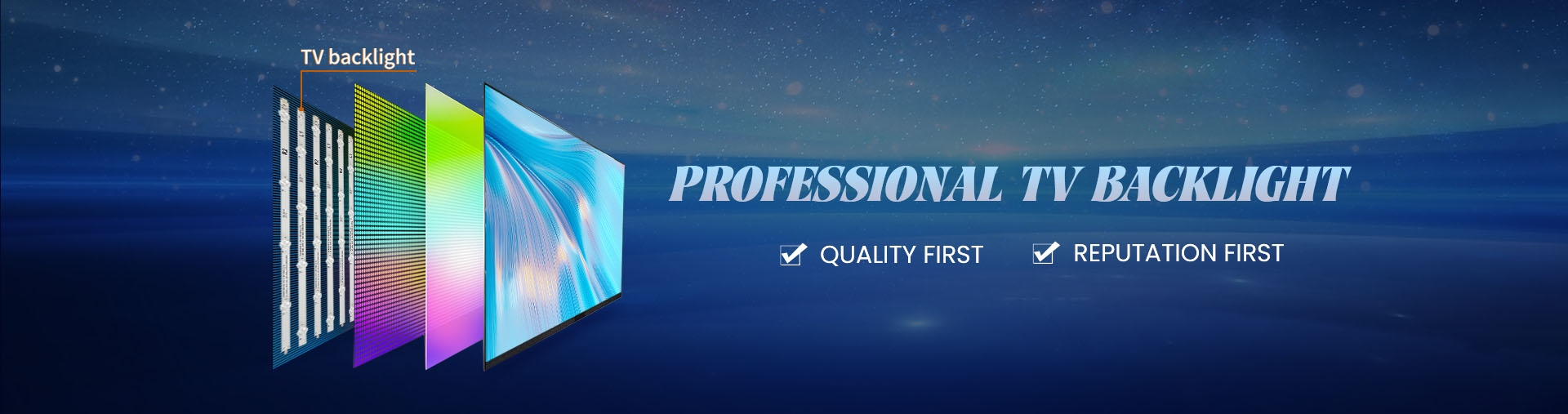
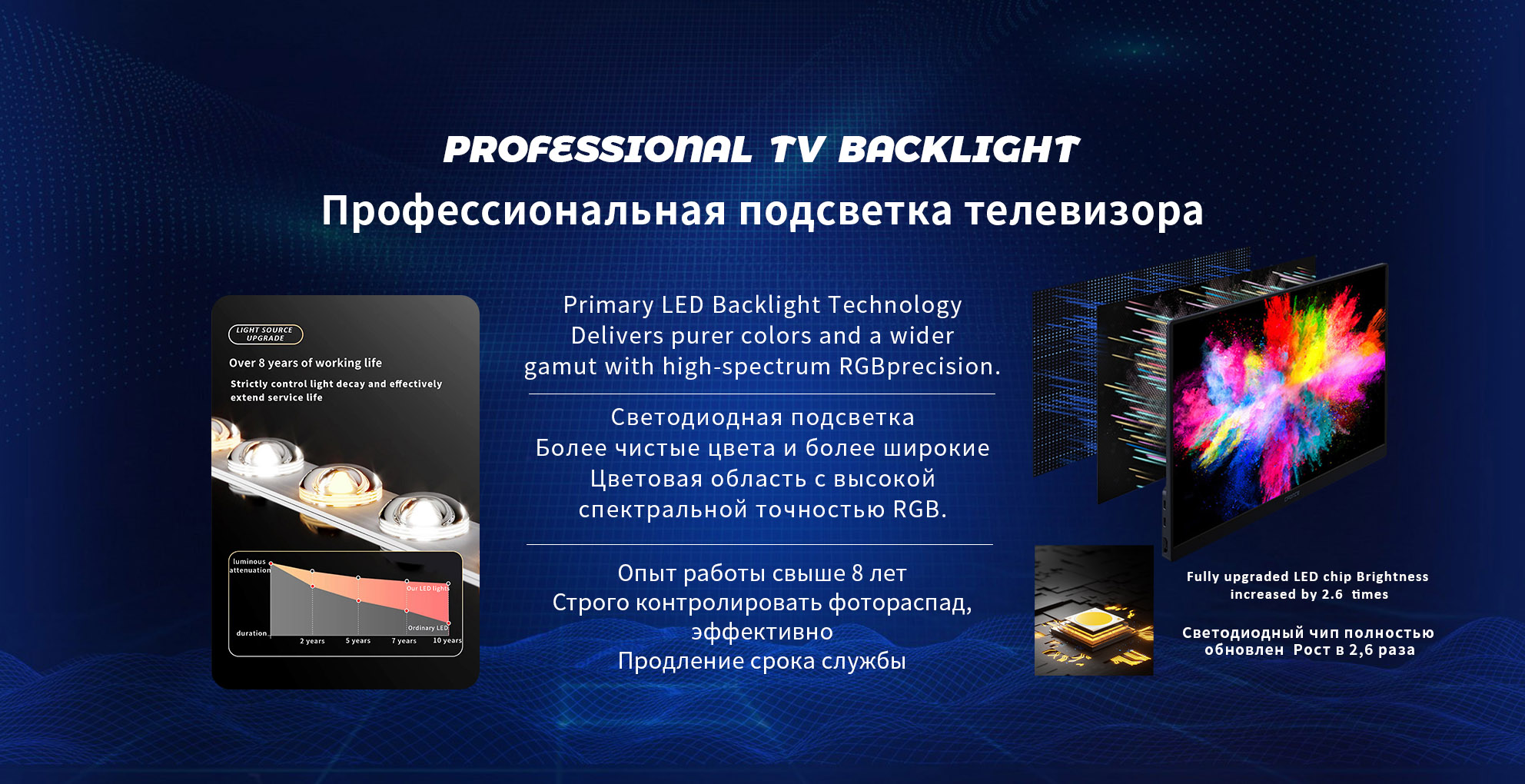
LED lens design affects television brightness by controlling how light spreads from each LED across the display panel. A narrow distribution concentrates light near the source, while a wider distribution helps illuminate a larger area. The correct lens must work with LED spacing, optical distance, and diffuser layers to achieve uniform screen brightness. Higher light concentration does not necessarily mean better overall picture quality.
For tv led backlight lenses, optical distribution is often more important than the apparent brightness of an individual LED. Two strips with identical electrical specifications can produce noticeably different screen results when their lens geometries differ.
How Does Lens Geometry Change Light Distribution?
A lens redirects light through refraction and sometimes total internal reflection. Its curvature, height, and material influence the resulting intensity pattern.
| Lens Characteristic | Influence on Illumination |
|---|
| Beam distribution | Controls concentration or spread |
| Lens height | Changes optical clearance |
| Surface geometry | Influences light direction |
| LED alignment | Affects symmetry of illumination |
| Lens transparency | Influences optical transmission |
These characteristics must be evaluated together rather than independently.
For example, a wide distribution may improve uniformity when LEDs are spaced far apart, but the result also depends on the distance between the LEDs and diffuser.
Why Does Lens Spacing Matter?
Every LED creates an illumination pattern that overlaps with patterns from neighboring LEDs.
When these patterns combine correctly, the viewer sees relatively even illumination instead of separate bright points.
Excessive spacing may leave darker regions between LEDs. Incorrect lens placement can create local bright circles or uneven bands.
This explains why backlight lens design brightness distribution must match the physical layout of the original television.
Can a Brighter Lens Improve a Dim Screen?
A lens cannot generate additional light. It can only redirect the light emitted by its LED, subject to optical losses.
A concentrated pattern may increase measured brightness at one location while reducing illumination elsewhere.
Therefore, replacing original lenses with narrower versions is not a dependable way to improve overall screen brightness.
Brightness problems should first be separated into LED deterioration, driver performance, optical damage, and incorrect lens configuration.
What Should Be Checked During Lens Production?
A tv backlight lens factory supplier should evaluate lens alignment, attachment stability, optical consistency, and material characteristics.
In manufacturing, inaccurate lens positioning can alter the light pattern even when the LED package itself performs correctly.
Optical measurements should examine illumination distribution rather than relying only on individual LED luminous flux.
How Is the Best Lens Design Determined?
The most suitable lens reproduces the intended distribution across the complete optical assembly. Selection requires knowledge of LED spacing, diffuser distance, and the original lighting structure.
A lens that works well on one PCB layout may create visible hotspots on another. Substituting lenses solely because their outer diameters match can therefore introduce new defects.
During replacement evaluation, uniform gray and white screen images can help reveal uneven illumination after assembly. Electrical and optical measurements provide additional evidence.
Ultimately, useful screen brightness depends on how effectively light covers the display, not how intense one LED appears. Accurate lens geometry and consistent positioning are essential for achieving balanced illumination.
Maintaining the original optical arrangement is generally the safest approach when repairing existing televisions. Changes to beam distribution should be accepted only after the replacement has been evaluated within the intended display assembly.