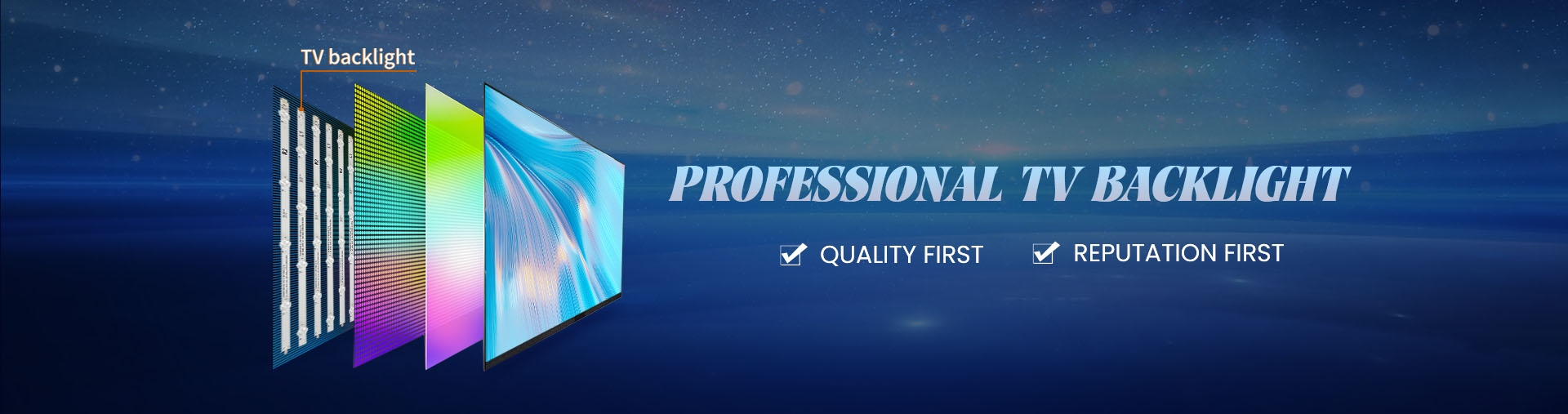
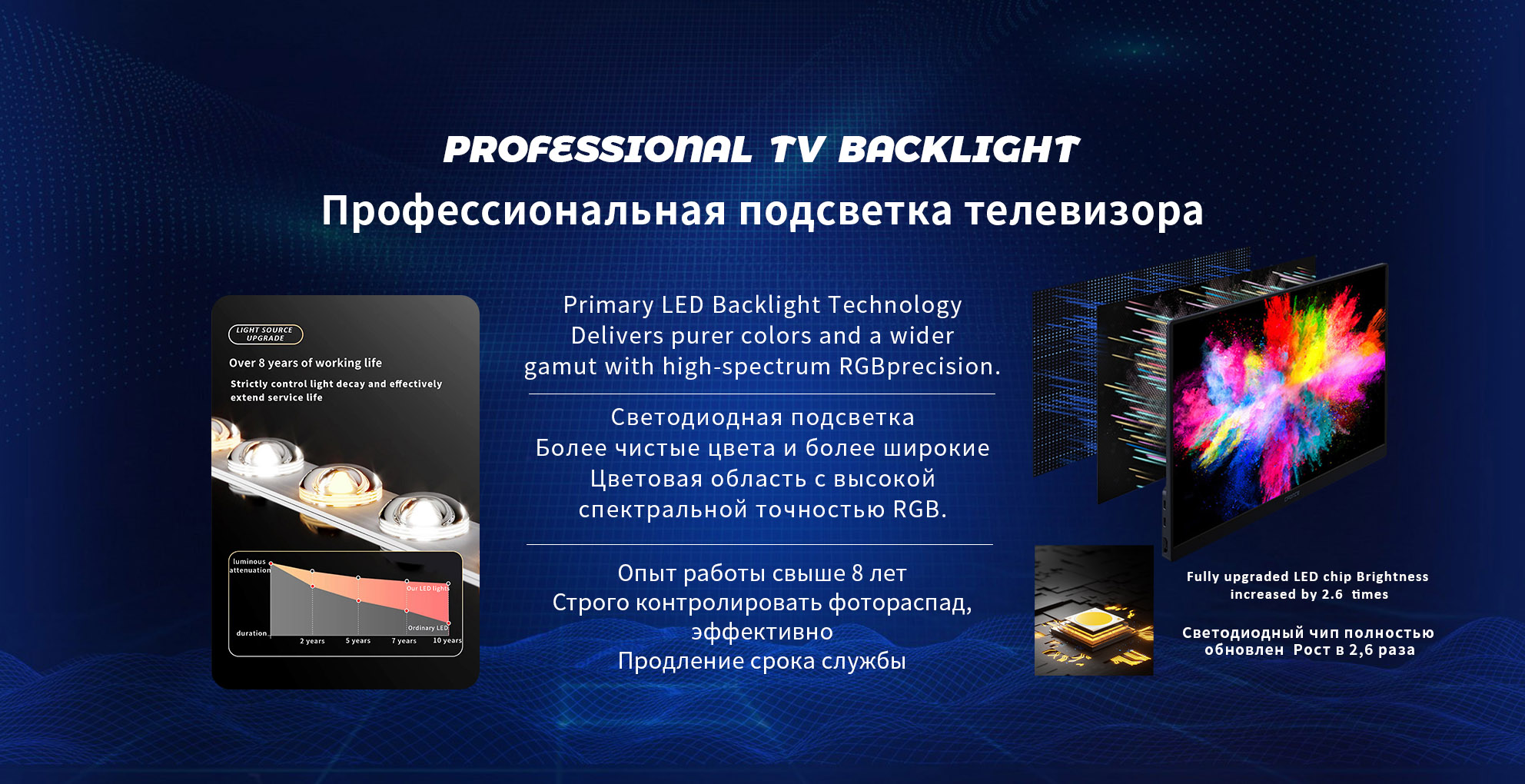
tv backlight strips are tested before shipping through electrical inspection, optical measurement, visual examination, and appropriate reliability checks. Important factors include LED operation, forward voltage, brightness consistency, soldering quality, lens attachment, and connector integrity. These inspections help identify manufacturing defects before replacement parts reach their destination, although testing requirements vary according to the product design and agreed quality specification.
For TV Led Backlight Strips, successful illumination alone does not establish product quality. A strip may turn on during initial testing while still containing weak solder joints, inconsistent optical components, or mechanical defects that affect later installation.
Quality Control Begins Before Assembly
Incoming inspection reduces variation in materials entering production.
LED packages can be evaluated for electrical and optical characteristics, including forward voltage, luminous output, and color consistency.
PCB dimensions, connector specifications, and optical lens condition also require verification against approved component requirements.
StarSharp's published manufacturing information describes incoming optical measurements and dedicated testing facilities, providing a practical basis for controlling material consistency.
Electrical Inspection After Production
Once components are assembled, testing focuses on whether the finished LED circuit operates as intended.
A suitable inspection process checks electrical continuity, LED illumination, and abnormal operating behavior.
Solder joints and connector positions are examined because poor connections may cause intermittent faults that do not appear during a brief lighting test.
Measured values should be compared with the approved specification for the particular strip model.
How Are Optical Defects Identified?
tv backlight strip quality testing also includes characteristics that cannot be determined by electrical inspection alone.
Differences in LED brightness or color may become visible after several strips are installed together.
Lens positioning deserves attention because displaced or incorrectly attached lenses can produce bright spots and uneven illumination.
Optical inspection may involve measuring luminous flux and color properties, along with evaluating uniformity under controlled conditions.
What Is the Purpose of Aging Tests?
Aging tests operate products under defined conditions to help reveal early failures or unstable performance.
They may expose intermittent electrical connections, abnormal thermal behavior, or components that fail shortly after initial operation.
However, an aging test does not prove that a strip will operate for a specific number of years. Long-term reliability depends on operating conditions and the validity of the testing method.
Which Results Should Be Recorded?
| Test Category | Relevant Inspection Result |
|---|
| Electrical | Voltage, current, functional operation |
| Optical | Brightness and color consistency |
| Mechanical | PCB, connector, lens condition |
| Aging | Operation under specified test conditions |
| Identification | Model, revision, batch information |
Acceptance limits should be defined according to the approved product specification rather than assumed to be identical for every model.
Does Passing Inspection Guarantee Compatibility?
A tested backlight strip manufacturer supplier can provide better production consistency through documented inspection, but product quality and television compatibility are separate requirements.
A correctly manufactured strip may still be unsuitable when its voltage, dimensions, lens spacing, or connector differs from the original assembly.
Shipment inspection should therefore verify product identification as well as manufacturing condition.
For mixed-model orders, separating parts by PCB code and revision reduces the possibility of packing errors. Clear identification becomes particularly important when multiple strips have similar dimensions.
Effective testing combines material control, functional verification, and suitable reliability checks. The objective is to detect preventable defects and maintain consistency between approved samples and delivered production batches.
When inspection records are linked to specific production lots, quality concerns can be investigated more accurately. This makes test documentation valuable not only before shipping but also during later technical evaluation.