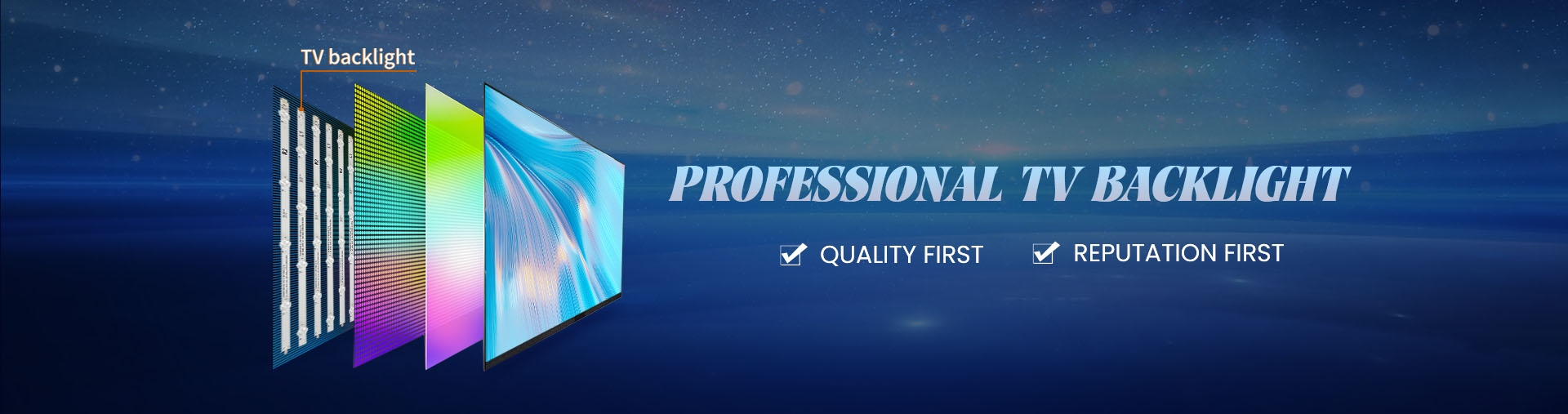
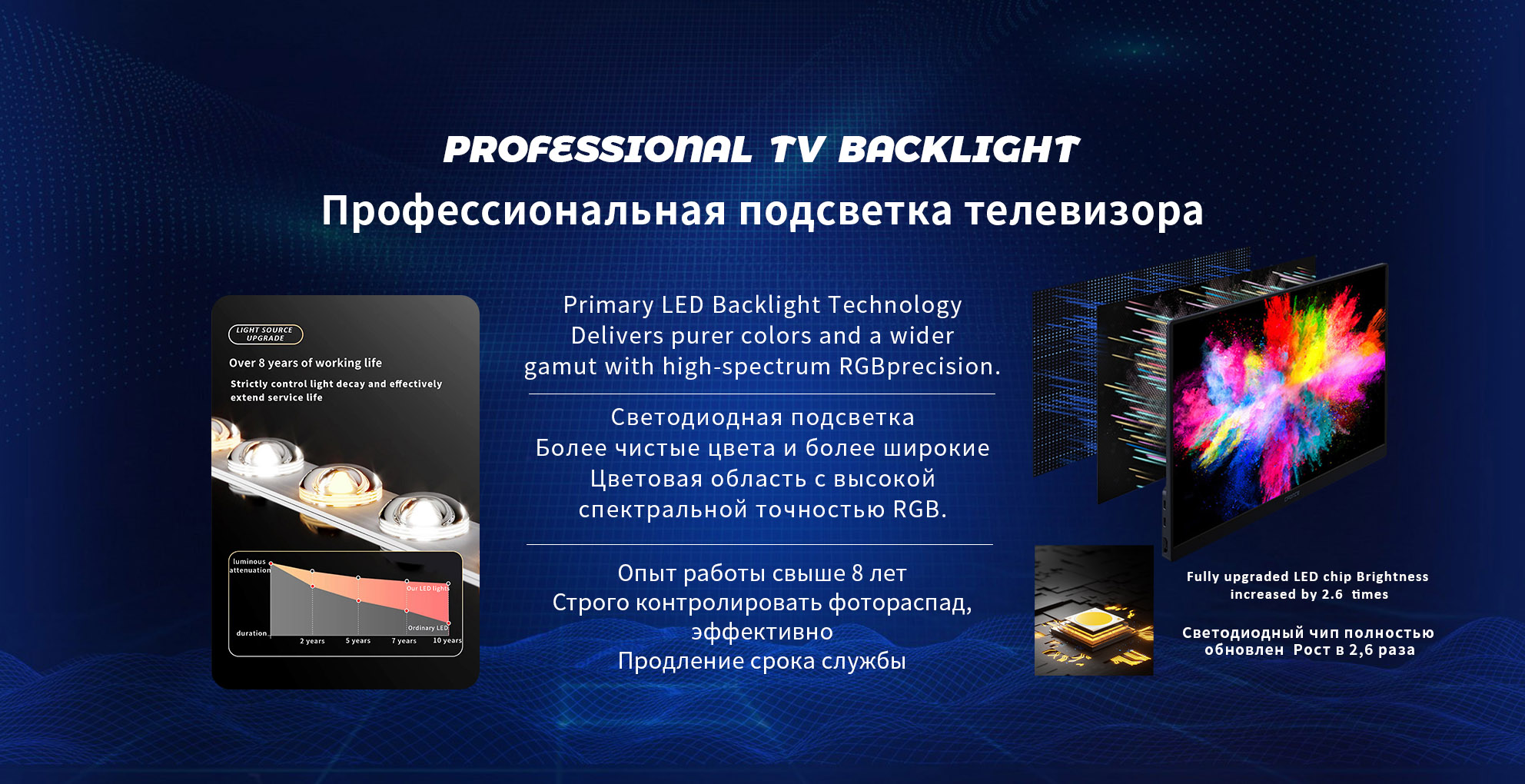
In display manufacturing and backlight replacement sourcing, the material behind the Led Backlight Strip has a direct impact on heat control, service life, assembly stability, and long-term maintenance cost. For many buyers, the comparison between aluminum and PCB LED backlight strip is not just a technical question. It affects failure rate, brightness consistency, procurement planning, and product positioning. Starsharp focuses on television backlight manufacturing, with more than ten years of development experience, over 5,000 specifications and models, annual production and sales capacity of more than 26 million units, and exports to more than 60 countries. Its manufacturing system also includes automated lines capable of producing up to 100,000 strips per day, which gives buyers stronger support in model matching, stable output, and repeat orders.
What Is The Difference Between Aluminum And PCB LED Backlight Strip
An aluminum LED backlight strip usually uses a metal core structure with an aluminum base for better heat spreading. A standard PCB LED backlight strip is generally based on FR4 or similar non-metal substrate materials that prioritize circuit routing flexibility and lower cost. In practical backlight applications, both can deliver illumination, but they behave differently when the screen size increases, the LED density rises, or the unit runs for long daily operating hours. Starsharp product pages repeatedly highlight heat-conducting aluminum base structures and thermal management as important design points in its backlight strip range, showing how material choice is tied to real manufacturing performance rather than marketing language.
Why Aluminum backlight strips Are Often Preferred
The biggest advantage of aluminum is thermal performance. FR4 material is commonly cited at around 0.25 to 0.3 W per meter kelvin, while aluminum is around 200 W per meter kelvin, which means the base material can transfer and spread heat far more efficiently in LED applications. Better heat dissipation matters because backlight strips operate in narrow internal spaces where temperature buildup can reduce light stability and accelerate LED degradation. For high-brightness televisions, larger screen sizes, and commercial display environments, aluminum-based solutions usually offer a better safety margin for long-term operation.
Another practical strength of aluminum backlight strips is structural stability. The metal base improves rigidity, helps reduce board deformation during transport or installation, and supports more consistent LED alignment across the strip. This is useful for buyers handling after-sales parts, replacement programs, or large-volume orders where fit accuracy matters. On Starsharp product pages, aluminum PCB boards are described as 1:1 OEM matching solutions with plug-and-play installation, and some listings specifically mention 1.0 thickness to reduce breakage risk. For buyers, that can simplify replacement work and reduce installation errors in the field.
When Standard PCB Backlight Strips Still Make Sense
A standard PCB LED backlight strip still has value in sourcing decisions. FR4-based boards are more cost-sensitive and can be suitable when thermal load is modest, brightness demand is lower, or the target product is positioned for tighter budget control. They are also widely used in many electronic assemblies because the material is familiar, scalable, and easier to apply when the thermal requirement is not severe. In other words, PCB backlight strips are not inferior by default. They are simply better suited to applications where low cost and general electrical performance matter more than aggressive heat dissipation.
For buyers, the key question is not which material is universally better. The real question is whether the strip will remain stable under the actual working conditions of the screen. If the display runs for long hours, uses dense LEDs, or must maintain reliable brightness over time, aluminum often delivers better lifecycle value. If the project focuses on controlled cost and lighter thermal stress, a standard PCB option may be sufficient. This is why technical matching should come before price comparison.
Aluminum vs PCB LED Backlight Strip Comparison
| Factor | Aluminum Backlight Strip | Standard PCB Backlight Strip |
|---|
| Heat dissipation | Strong heat spreading, better for high-load LED use | Limited heat transfer, more suitable for lower thermal load |
| Structural rigidity | Better resistance to bending and breakage | Lower rigidity compared with metal-core designs |
| Service stability | Better suited for long operating hours | Acceptable for moderate duty cycles |
| Cost level | Usually higher than basic FR4 designs | Usually more budget-friendly |
| Application fit | Large TVs, higher brightness, demanding replacement use | Cost-sensitive models and lighter-duty backlight systems |
The table reflects the broad engineering logic behind the two materials, but sourcing success also depends on production consistency. A capable supplier should not only provide the material type. It should also support model coverage, testing, and steady output. That is where Starsharp shows clear manufacturing value. The company states that it has ten automated lines, comprehensive testing, ISO9001 and ROHS certifications, more than 5,000 product specifications, and supply experience across domestic and international markets. For buyers, this means a better chance of getting consistent matching products rather than isolated samples that perform well only in trial orders.
How Buyers Should Decide
When comparing aluminum vs PCB LED backlight strip, buyers should check five points first: screen size, LED density, daily operating duration, heat management requirements, and replacement accuracy. Large screens and long operating cycles usually justify the higher value of aluminum. Repair and service channels also benefit from stronger board stability and easier fit matching. Budget-driven lines with lower thermal stress may still work well with standard PCB designs, but the decision should be made with a clear understanding of total failure risk rather than initial piece price alone.
Starsharp’s manufacturing profile gives buyers an advantage in this evaluation process. With over 26 million units of annual production and sales capacity, broad model coverage, automated output, and testing-based quality control, the company is positioned to support both routine procurement and more specialized backlight strip sourcing.
Conclusion
The aluminum vs PCB LED backlight strip decision comes down to thermal demand, structural reliability, and total operating value. Aluminum is usually the stronger choice for higher-performance backlight systems because it manages heat more effectively and supports better long-term stability. Standard PCB designs remain useful where cost control is the main priority and the operating load is less demanding. A reliable supplier should help buyers balance both options with real production capability, consistent quality, and accurate model support. Starsharp offers that combination through large-scale manufacturing, extensive specification coverage, and a mature backlight strip supply system. For buyers comparing material routes, that makes the decision more practical and far less risky.