Accurate model identification is the first step in reducing repeat repairs, return claims, and sourcing delays. In LCD televisions, the backlight system is not a generic light source. It is a matched optical and electrical component that must fit the screen structure, driver requirements, and connector layout of the original set. ENERGY STAR notes that LED backlighting directly affects brightness control and picture performance in modern televisions, while IEC 62087 is the recognized method for measuring television power characteristics. That is why choosing the right replacement strip starts with technical matching, not screen size alone.
Start with the original identifiers
When buyers ask how to identify tv backlight strip model, the fastest route is to read the code printed on the original strip rather than relying only on the TV sales model. In real repair and aftermarket purchasing, one TV series may use different strip layouts across production batches. The most reliable identifiers are the PCB code, bar code label, LED quantity, voltage marking, strip length, connector position, and lens structure. A correct match should reproduce both the electrical input and the optical distribution of the original assembly. StarSharp’s catalog is built around this logic, with direct-lit and edge-lit solutions covering more than 5,000 specifications and models.
Do not rely on screen size alone
A 43 inch or 55 inch television can still use several different strip combinations. Size is only a starting filter. The actual decision should be based on these checkpoints:
PCB part number printed on the strip
Number of LEDs on each bar
Rated voltage and current path
Strip length and mounting hole position
Lens diameter and lens spacing
Connector type and polarity
Direct-lit or edge-lit structure
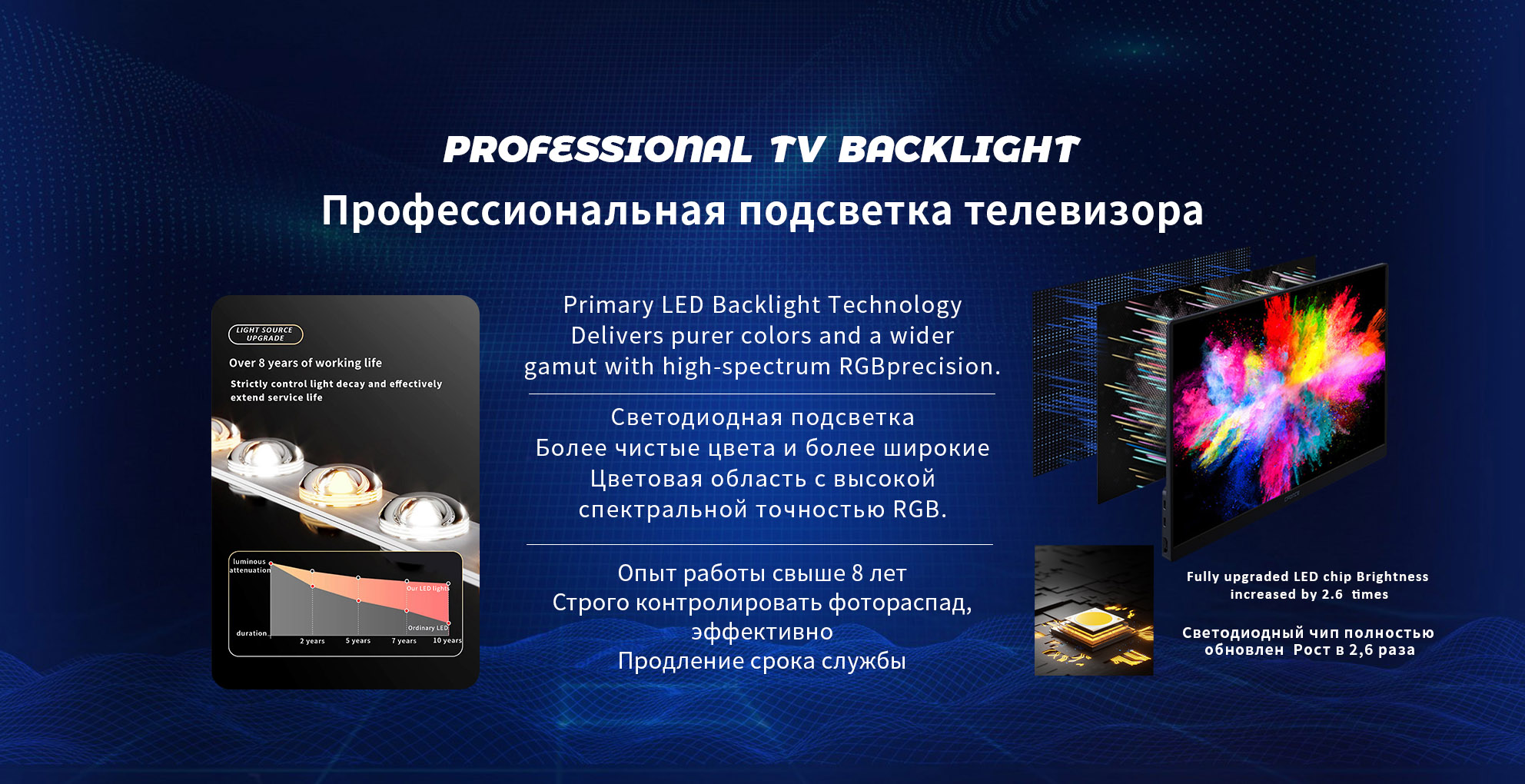
This is where many buyers lose time. A strip may look similar but still create uneven brightness, startup failure, or overcurrent stress if the specification is not exact. According to the U.S. Department of Energy, good quality white LED products typically have a useful life of 30,000 to 50,000 hours. That level of durability depends on proper thermal and electrical design, so replacement matching matters far beyond simple fit.
Check the backlight architecture before ordering
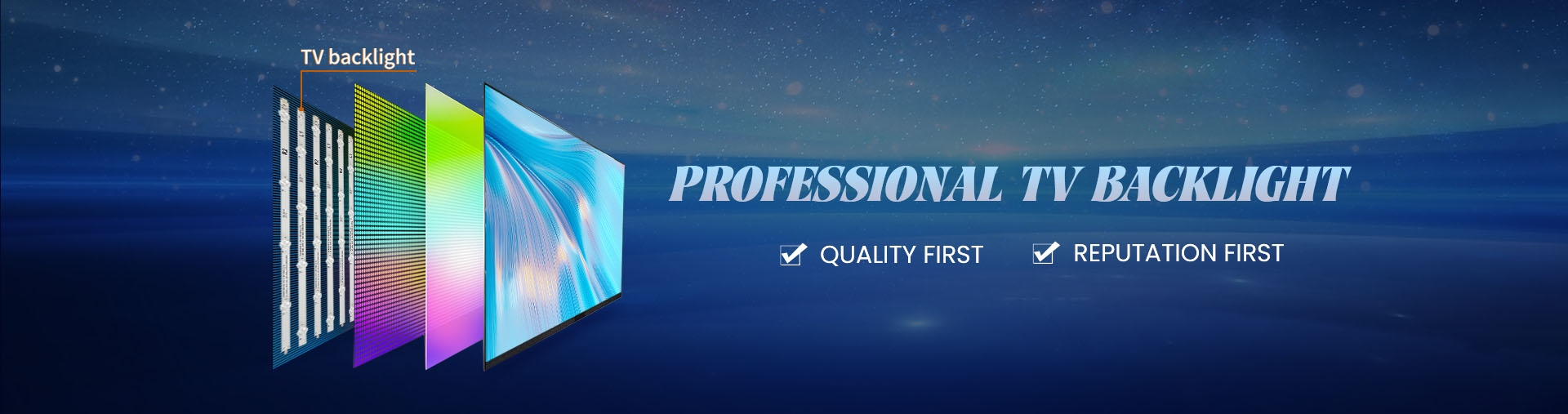
Another common mistake is mixing direct-lit and edge-lit platforms. Direct-lit televisions use multiple bars behind the panel, while edge-lit designs place strips along the edge and distribute light through optical films. ENERGY STAR specifically highlights local dimming and LED backlighting as key performance features in LCD televisions, which shows how strongly backlight architecture influences final display quality and energy behavior. For procurement teams, this means the strip must match the panel structure, not just the television label.
A practical identification checklist
| Check item | Why it matters | What to verify |
|---|
| PCB code | Primary matching reference | Printed strip number |
| LED count | Affects voltage and brightness layout | Total LEDs per bar |
| Voltage marking | Prevents startup and driver mismatch | 3V, 6V, or system requirement |
| Lens layout | Controls light distribution | Lens size and spacing |
| Strip length | Ensures physical fit | Full bar measurement |
| Connector position | Avoids assembly issues | Side, angle, pin direction |
| Structure type | Determines compatibility | Direct-lit or edge-lit |
This process helps buyers communicate clearly with a tv spare parts supplier and avoids vague requests based only on television brand, inch size, or market name.
Use photos and panel data together
For higher accuracy, combine three materials in every inquiry: a clear photo of the full strip, a close photo of the printed code, and the LCD panel label. Panel information often confirms the generation and optical structure used inside the television. StarSharp supports this sourcing workflow with a broad model library, annual output of more than 26 million units, and shipments to more than 60 countries and regions, giving buyers a stronger chance of finding a stable replacement path for both standard and hard-to-find models.
Why manufacturer support shortens sourcing time
A professional tv backlight strip manufacturer does more than quote part numbers. It helps verify compatibility by cross-checking strip codes, panel details, length, voltage, and application images. This is especially valuable for distributors and repair channel buyers managing mixed orders across many television sizes. StarSharp focuses on television backlight direct light strips, side entry light strips, and related display products, which makes its support process more practical for replacement sourcing and ongoing model verification.
Final thought
Correct identification is a technical screening task, not a guess based on appearance. The best purchasing result comes from combining strip code, optical structure, electrical rating, and panel reference into one confirmation flow. With a large specification base, stable production capacity, and experience in global aftermarket demand, StarSharp helps buyers reduce mismatches and move from uncertain inquiries to precise replacement decisions.