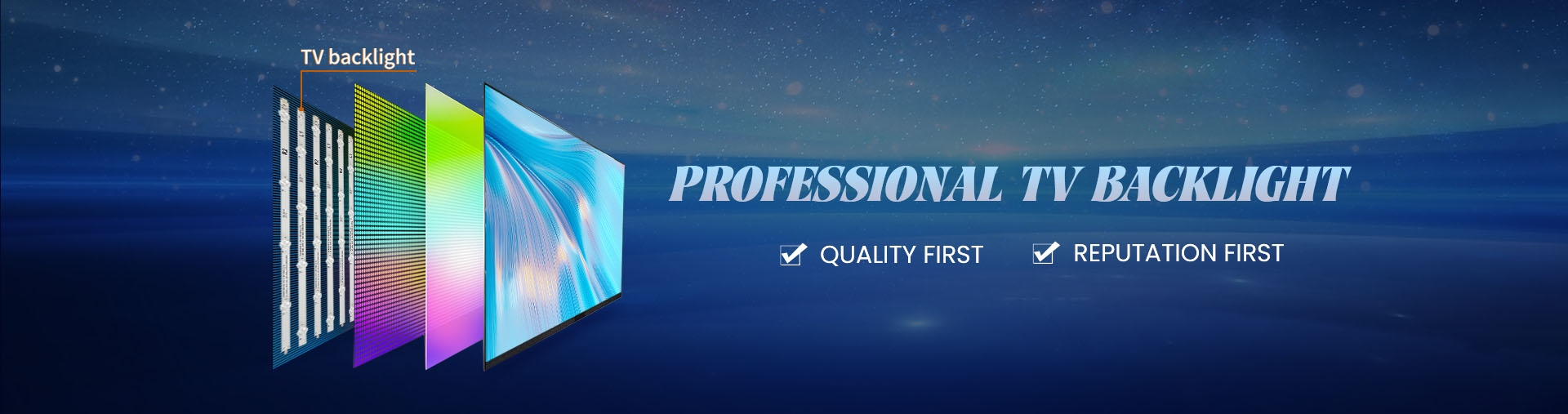
When a television plays audio normally but the screen stays dark, the problem is often linked to the light system behind the panel rather than the signal source itself. LCD televisions do not create visible images without illumination from the backlight, so a failed strip, unstable power delivery, or partial LED burnout can leave the set with sound but no visible picture. iFixit notes that if a faint image appears under a flashlight test, that is a strong sign the backlight has failed rather than the entire image system.
Why this symptom usually points to the backlight
A common tv sound but no picture backlight issue starts when one or more LEDs on the strip lose output, short internally, or create an imbalance across the lighting circuit. In many cases, the television still powers on, the mainboard still processes audio, and the user can even hear channel changes or menu sounds. What disappears is the visible picture because the LCD panel is no longer being lit evenly from behind. Repair references widely describe this pattern as one of the clearest field symptoms of backlight failure.
Not every dark screen means the same fault
Although backlight failure is one of the most common causes, a professional diagnosis should separate it from T-con faults, panel faults, or power board problems. A simple inspection flow is more effective than replacing parts blindly:
Confirm the TV has normal startup sound
Shine a flashlight across the screen surface
Check whether a faint image is present
Inspect whether the screen shows dim areas or uneven light before total blackout
Verify the backlight connector and power output path
Compare the removed strip code before ordering replacement parts
This approach reduces wrong purchases and shortens troubleshooting time. It also helps buyers distinguish between complete backlight failure and partial light loss caused by only one damaged strip.
Why backlight quality matters in replacement demand
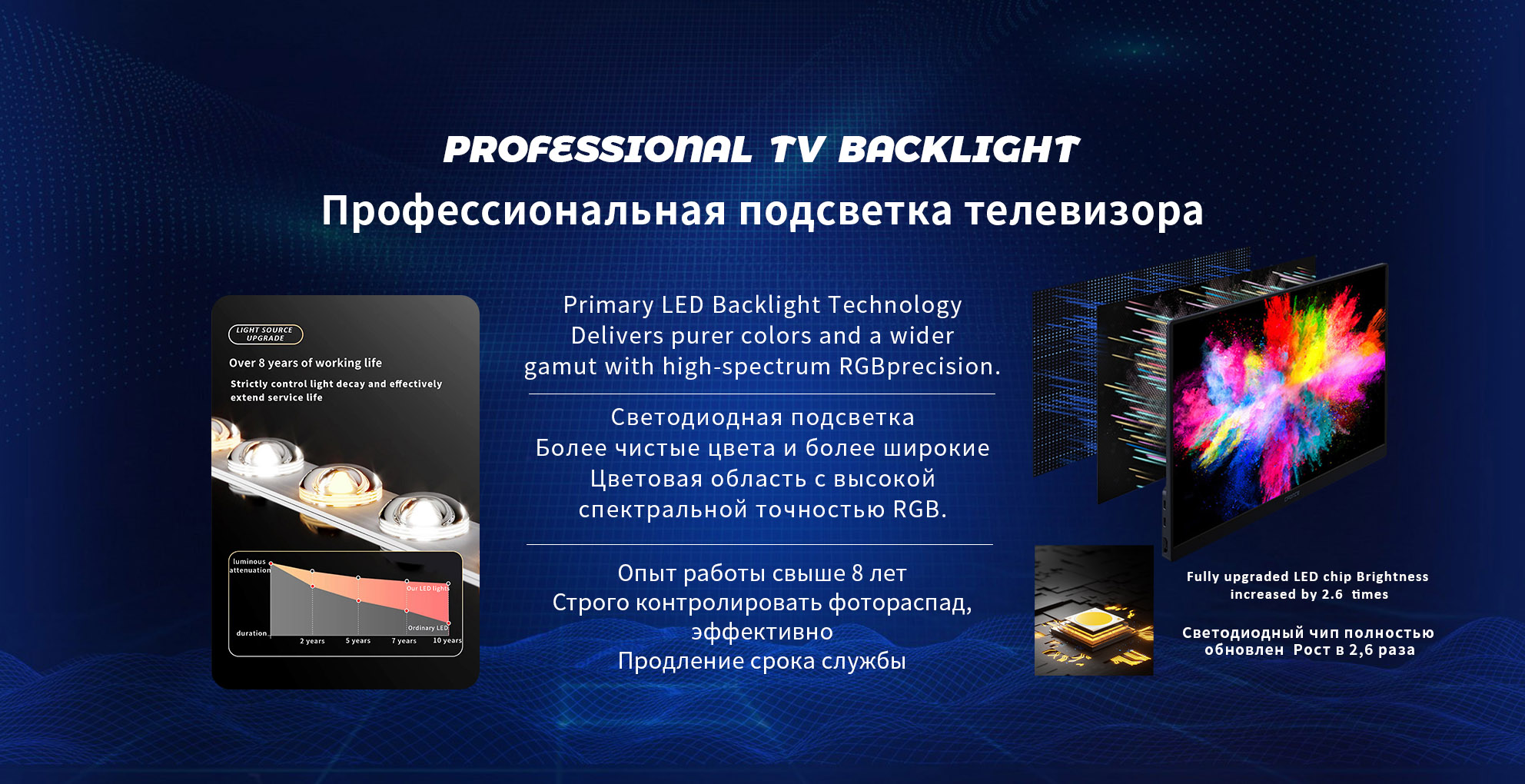
The U.S. Department of Energy states that good quality white LED products typically have a useful life of 30,000 to 50,000 hours or longer. In television applications, real service life still depends on thermal design, current stability, substrate quality, and optical consistency. Once a replacement strip is poorly matched, overheating, uneven brightness, and early repeat failure become much more likely.
Key signs buyers should look for
| Symptom | Likely cause | What it suggests |
|---|
| Sound with black screen | Backlight not illuminating | Strip or LED failure is likely |
| Very dim image under flashlight | Backlight has failed | LCD image path may still work |
| Brightness uneven before blackout | Partial LED damage | One section may be failing first |
| TV starts then screen goes dark | Protection response | Power or backlight imbalance |
| Repeated field returns | Poor replacement match | Voltage, length, or lens mismatch |
For distributors and repair channel buyers, these symptoms matter because the cost of the wrong replacement is not only the part itself. It also includes labor, shipping, customer complaints, and lost confidence in the supply chain.
How a manufacturer helps reduce repeat repairs
Strong tv backlight repair support starts with precise model confirmation. Instead of selling only by television size, a capable supplier should help verify strip code, LED count, voltage structure, connector layout, and lens spacing. That is especially important in aftermarket television service, where units of the same screen size may still use different strip structures across production batches.
StarSharp positions itself around this type of matching support. According to its website, the company focuses on television direct light strips, side entry light strips, and commercial display backlight products. It reports more than 5,000 specifications and models, annual production and sales capacity above 26 million units, and supply coverage reaching more than 60 countries and regions. These points matter because a broad model library and stable output help buyers respond faster when replacement demand is urgent.
What buyers should ask before placing an order
Before choosing a repair parts supplier, it is worth confirming five details:
Whether the supplier checks the original strip code first
Whether voltage and LED count are verified together
Whether lens layout and strip length are matched
Whether shipment consistency is supported by production testing
Whether the supplier can support repeated sourcing for the same model family
These checkpoints are practical because dark-screen failures often return when replacements are selected by appearance alone. A manufacturer with structured verification and broad model coverage can reduce that risk and improve service efficiency across repeated orders.
Final thought
Sound without picture is often not a mystery fault. It is usually a lighting failure inside the television structure, and the real solution depends on accurate identification rather than guesswork. With model-based verification, stable manufacturing capacity, and broad television backlight coverage, StarSharp offers a more reliable path for buyers who need replacement parts that fit, perform, and hold up in actual service.