Screen repair demand continues to grow as televisions become thinner while operating hours increase. Backlight replacement has become one of the most common service needs, yet compatibility mistakes still lead to high return rates and installation failures. Selecting the right tv backlight strips is not only about size or connector type. It requires a structured understanding of panel design, electrical parameters, and optical matching.
Industry data shows that backlight-related faults account for a large share of TV repair cases, especially after two to four years of use when thermal stress and brightness degradation begin to affect performance. For sourcing teams, reducing mismatch risk at the procurement stage directly lowers service costs and improves customer satisfaction.
Understand panel structure before anything else
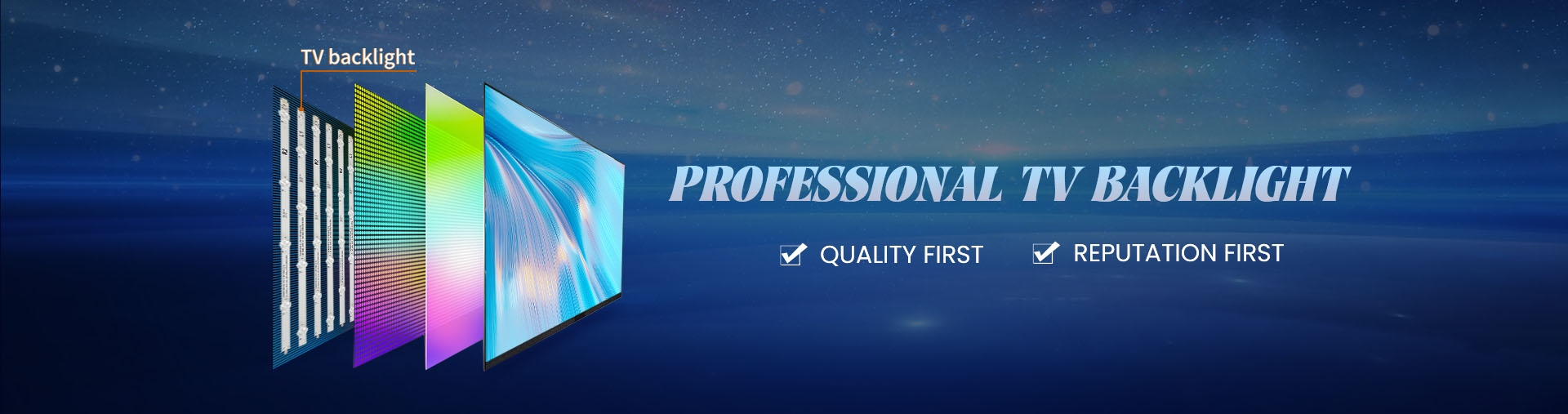
Every television panel has a specific backlight architecture. The two most common structures are edge-lit and direct-lit systems. Edge-lit panels use light guides to distribute illumination from fewer LEDs placed on the sides, while direct-lit panels use multiple rows of LEDs behind the screen.
Choosing compatible strips starts with identifying the original structure. A mismatch in layout can result in uneven brightness, dark zones, or excessive heat concentration. Even if the strip powers on, the optical result may not meet acceptable standards.
For reliable compatible tv backlight strips selection, buyers should always confirm panel model, screen size, and original strip arrangement. This step eliminates a large percentage of common sourcing errors.
Electrical parameters must match precisely
Voltage and current specifications are critical when selecting replacement strips. LEDs are highly sensitive to overcurrent conditions, and even small deviations can shorten lifespan significantly. According to guidance from the U.S. Department of Energy, LED performance and lifetime are strongly affected by thermal and electrical stress, particularly when current exceeds design limits.
If the forward voltage or current rating of a replacement strip does not match the original design, the driver board may either underpower the strip or push it beyond safe operating conditions. This leads to flickering, early failure, or complete shutdown.
Procurement teams should confirm:
These factors ensure the replacement integrates smoothly with the existing driver system.
Optical consistency affects real viewing quality
Electrical compatibility alone does not guarantee a good result. Optical performance is equally important. Lens shape, spacing, and diffusion characteristics determine how light spreads across the panel.
Incorrect lens positioning or inconsistent light distribution often leads to bright spots or shadow bands. Repair professionals frequently report that mismatched optics are one of the main reasons for customer complaints after installation.
Manufacturers with strong process control maintain tight tolerances in lens bonding and alignment. This ensures that each strip delivers consistent light output, even across large production batches.
Material quality influences long-term reliability
backlight strips operate in a confined space with limited heat dissipation. The quality of materials used in substrates, solder joints, and adhesives plays a direct role in durability.
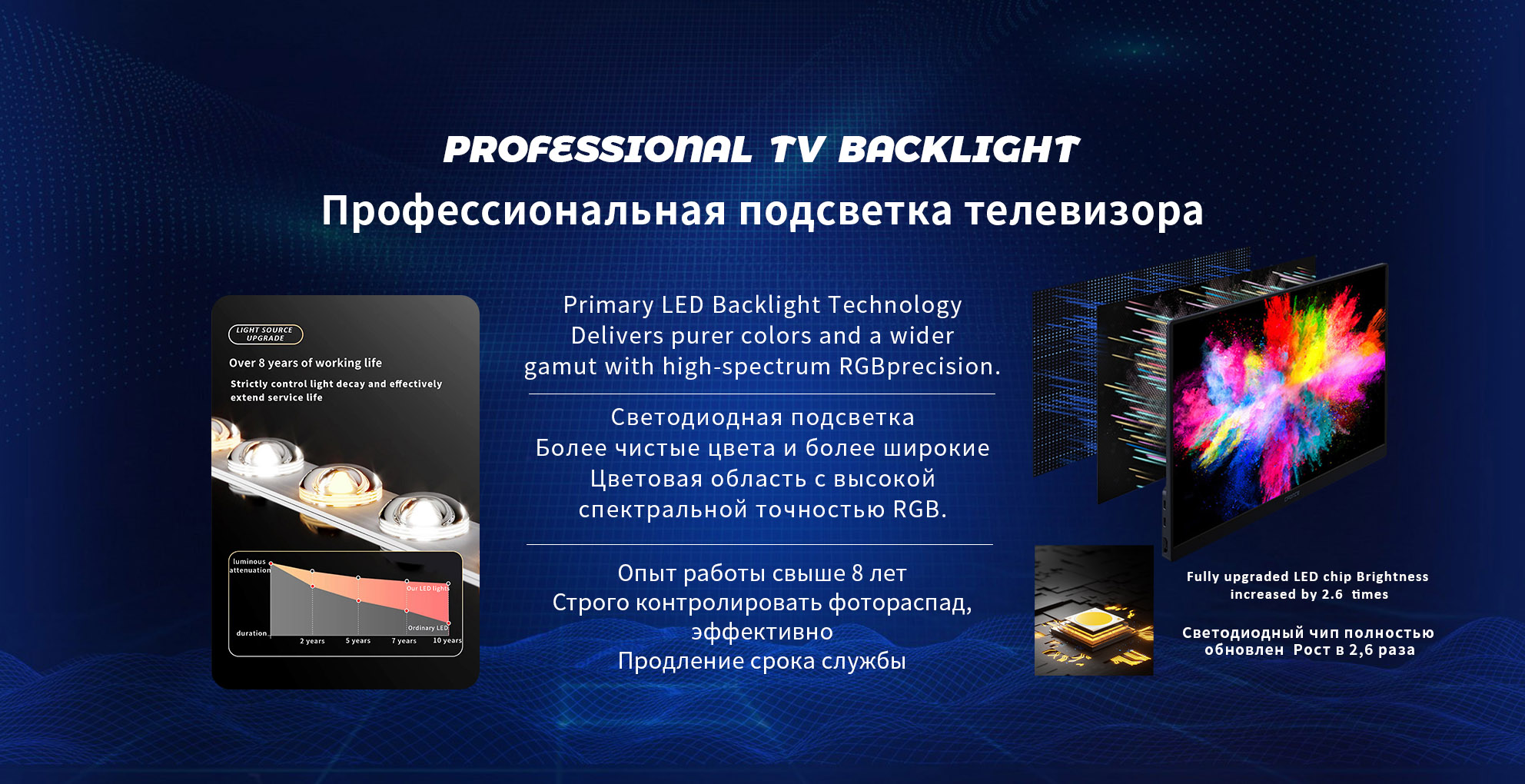
Nichicon technical documentation on electronic components highlights that component lifespan is closely linked to temperature, with service life often doubling for every 10 degree C reduction in operating temperature. This principle applies strongly to LED systems, where heat buildup accelerates degradation.
High-quality aluminum substrates improve heat transfer, while stable adhesives prevent lens detachment over time. These factors are often invisible at the purchasing stage but become critical after months of operation.
Why model coverage and production scale matter
Television brands release a wide range of models each year, often with slight variations in backlight design. A supplier with limited specifications may not be able to provide exact matches, forcing buyers to use substitutes that increase risk.
StarSharp offers more than 5,000 backlight models, supported by automated production lines and large daily output capacity. This level of coverage helps ensure that buyers can source precise replacements rather than approximate alternatives. Stable production also supports repeat orders with consistent quality.
For buyers managing multiple markets, working with an experienced OEM backlight supplier simplifies sourcing by reducing the need for constant revalidation of new batches.
Key factors to evaluate during sourcing
A structured evaluation approach helps avoid compatibility issues and improves procurement efficiency:
| Evaluation item | Practical impact |
|---|
| Exact model matching | Ensures correct fit and lighting distribution |
| Electrical specification accuracy | Prevents overcurrent or underperformance |
| Optical design consistency | Reduces bright spots and uneven lighting |
| Material and substrate quality | Improves heat dissipation and lifespan |
| Production stability | Supports repeat orders without variation |
| Quality control system | Lowers defect rate and return risk |
Each of these elements contributes to overall performance, not just initial functionality.
Role of testing and quality control
Pre-shipment testing is one of the most effective ways to reduce field failures. Reliable manufacturers perform lighting tests, aging tests, and electrical verification before delivery. These procedures help identify weak components early and ensure that strips meet performance expectations.
Quality control also includes inspection of solder joints, LED alignment, and connector integrity. Consistency across batches is particularly important for buyers who require ongoing supply rather than one-time orders.
Compatibility goes beyond basic replacement
In modern repair and distribution environments, selecting the right strip is part of a larger system solution. Buyers must consider installation efficiency, long-term reliability, and customer satisfaction after repair.
While strip led lights are widely used across industries, television backlight applications demand tighter tolerances and higher consistency. Small deviations that may be acceptable in general lighting can lead to visible defects in a TV panel.
Choosing the correct backlight strip is not a simple specification check. It is a combination of structural understanding, electrical accuracy, optical precision, and manufacturing reliability. A supplier with strong technical capability and large-scale production can provide more stable solutions across different models and markets, helping reduce operational risk and improve long-term performance.