Television screens that suddenly turn dark while sound continues to work often indicate a problem inside the lighting system rather than the display panel itself. In most modern televisions, the image is created by an LCD layer, but visibility depends on a separate light source placed behind or along the edges of the panel. When that light source fails, the solution is commonly known as backlight replacement, a process that restores brightness without replacing the entire screen.
From a sourcing and repair perspective, this procedure has become one of the most important service categories in the television lifecycle. Industry repair data shows that backlight-related issues are among the top causes of failure after extended use, especially in sets operating for more than 6,000 to 10,000 hours.
Understanding how the backlight system works
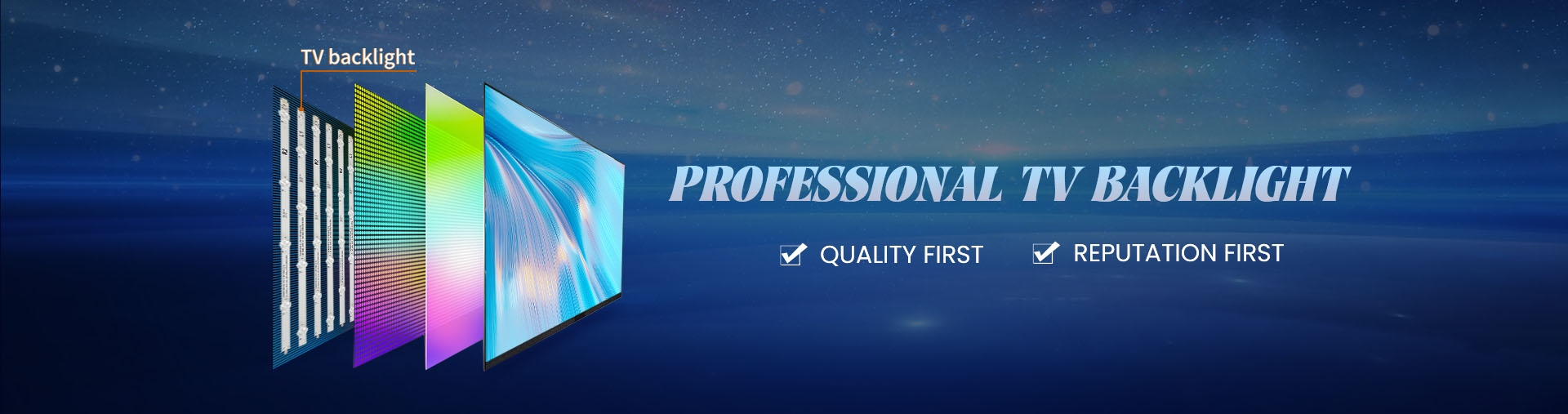
An LED television relies on a series of light bars installed behind the panel. These bars contain multiple diodes arranged in specific configurations to distribute light evenly across the screen. The LCD layer modulates this light to create images.
There are two primary configurations:
When any section of these systems fails, the visible result can include dark screens, uneven brightness, or flickering. In many cases, only the lighting layer is damaged while the panel remains functional.
What happens during replacement
The process of replacing backlight strips for tv involves disassembling the television to access the internal light bars. This requires removing the rear housing, disconnecting the panel, and carefully lifting diffusion layers to reach the led strips.
Once exposed, faulty strips are identified and replaced with compatible units. After installation, the system is reassembled and tested to ensure uniform brightness and stable operation.
Although the concept is straightforward, the precision required is high. Any misalignment in optical layers or incorrect strip selection can lead to visible defects such as bright spots or shadow bands.
Why backlight failure occurs in the first place
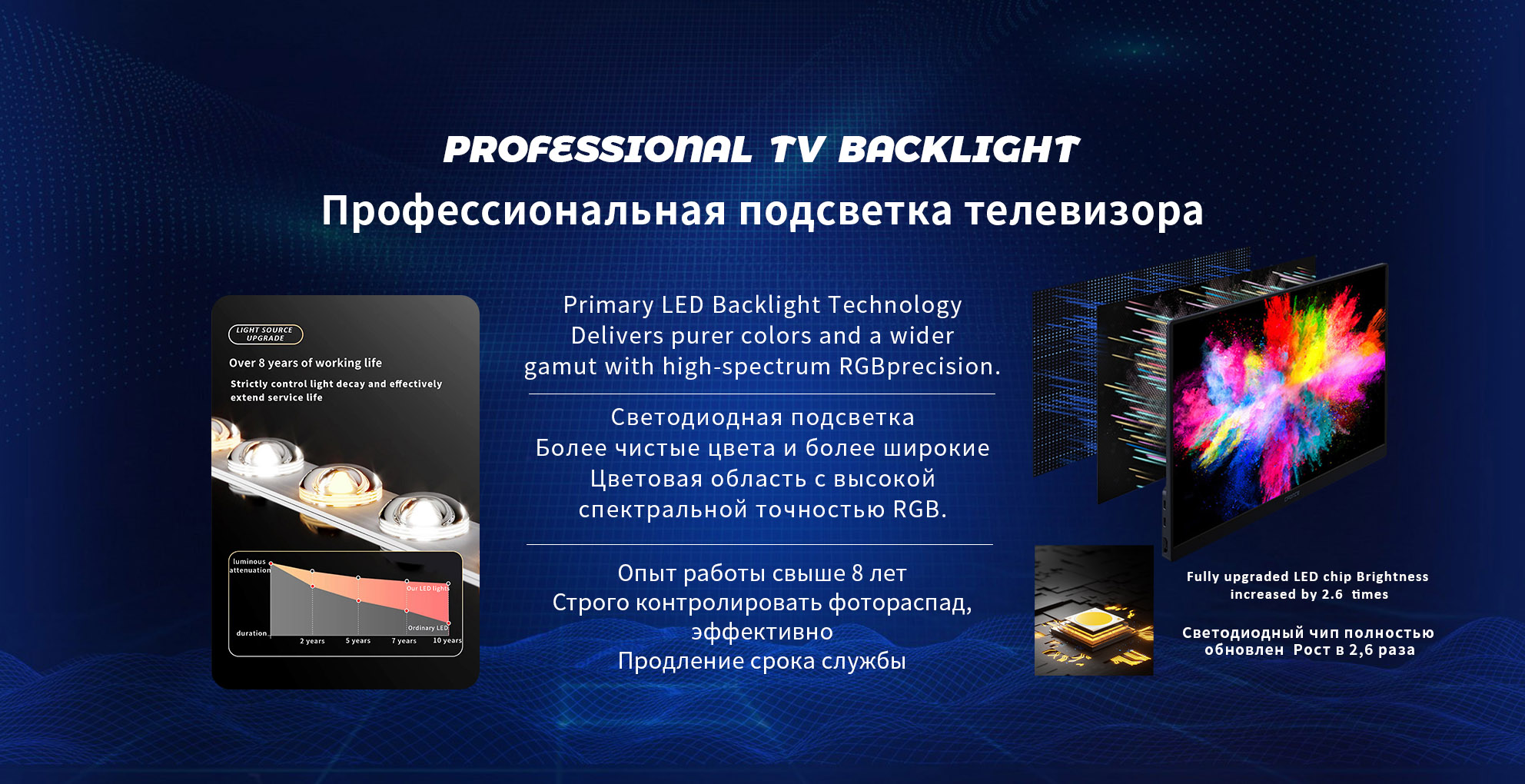
The need for replacement is driven by several technical factors that affect LED lifespan. The U.S. Department of Energy highlights that LED performance is strongly influenced by temperature and electrical conditions, with excessive heat accelerating degradation and reducing light output over time.
In television applications, failure typically results from:
Continuous high-brightness operation that increases thermal load
Inconsistent current distribution across LED arrays
Aging of driver components that affect voltage stability
Material fatigue in substrates and bonding layers
Nichicon technical documentation further explains that component lifespan is closely tied to temperature, with service life often doubling for every 10 degree C decrease. This relationship directly applies to backlight systems, where heat management is limited by compact design.
Replacement versus full screen replacement
One of the main advantages of backlight repair is cost efficiency. Replacing the entire LCD panel is significantly more expensive than replacing only the lighting system. In many cases, the panel itself remains intact, making strip replacement the more practical solution.
For distributors and service providers, this creates a strong demand for reliable replacement parts. Choosing the correct strip not only restores functionality but also ensures the television performs close to its original brightness and uniformity.
Key considerations when selecting replacement strips
Not all replacement strips are equal, even if they appear similar in size. Compatibility depends on multiple parameters, including electrical specifications, LED layout, and optical design.
| Factor | Importance |
|---|
| LED quantity and spacing | Determines light distribution across the panel |
| Voltage and current rating | Ensures safe integration with driver circuits |
| Lens structure | Affects brightness uniformity and viewing quality |
| Substrate material | Influences heat dissipation and durability |
| Connector design | Ensures correct installation without modification |
These elements must align with the original design to achieve consistent performance after repair.
The role of manufacturing capability
The reliability of replacement strips depends heavily on manufacturing quality. A qualified tv parts manufacturer should provide stable production processes, strict quality control, and wide model coverage.
StarSharp demonstrates strong capability in this area, offering more than 5,000 backlight models supported by automated production lines and large-scale output. With annual capacity exceeding 26 million units and exports to over 60 countries, the company supports consistent supply across diverse television models.
This level of production scale helps reduce variation between batches and ensures that replacement parts meet consistent performance standards.
Importance of testing and quality assurance
Before shipment, reliable manufacturers conduct multiple testing procedures, including lighting tests, electrical verification, and aging tests. These steps help identify early failures and ensure that strips meet operational requirements.
Quality assurance also covers lens alignment, solder integrity, and structural stability. These factors are critical for maintaining brightness uniformity after installation.
Practical value of a structured replacement approach
A clear led tv backlight strip replacement guide helps reduce installation errors and improves repair efficiency. Proper identification of the original model, accurate parameter matching, and careful handling during installation are all essential steps.
Backlight replacement is not only a repair method but also a supply chain opportunity. With televisions continuing to be used for longer periods, demand for high-quality replacement components is expected to remain stable.
Selecting the right strips and working with a manufacturer that offers consistent quality and broad model support can significantly improve repair outcomes and reduce long-term service risk.