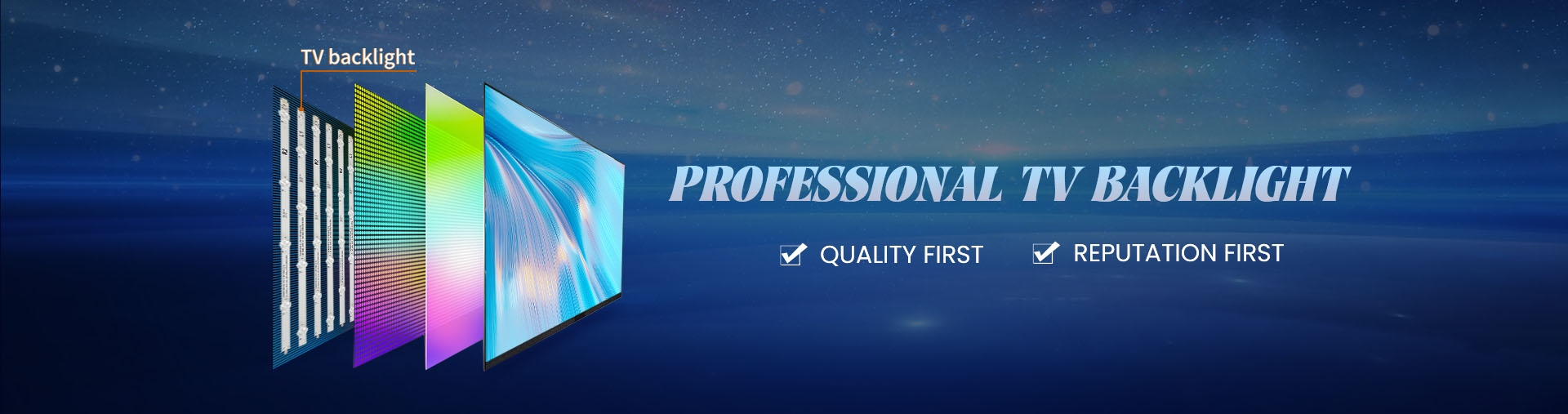
Faster tv repair starts before the technician opens the back cover. For repair centers, wholesalers, and service teams, the real challenge is not only replacing a failed part. It is reducing wrong diagnosis, wrong model matching, repeated disassembly, and waiting time for spare parts. When the process is organized well, one technician can complete more stable repairs with fewer returns.
The consumer electronics repair and maintenance market was valued at USD 18.23 billion in 2023 and is projected to reach USD 25.15 billion by 2030, according to Grand View Research industry data. This growth shows that repair service is still a practical business, but higher model complexity also requires better parts preparation and workflow control.
Start With Accurate Fault Diagnosis
Backlight failure can look similar to power board failure, panel failure, or mainboard failure. A TV may have sound but no image, weak brightness, flicker, dark corners, or uneven light. Before replacing anything, technicians should check whether the image is still visible under a flashlight, then test backlight voltage, connector condition, and LED strip continuity.
A clear diagnostic checklist helps every technician follow the same method. This reduces guesswork and prevents good parts from being replaced unnecessarily. It also helps customer service teams explain the repair result more professionally.
Prepare Common Backlight Models In Advance
Waiting for parts is one of the biggest reasons repair time becomes longer. Repair teams should review past orders and keep fast-moving strips for common sizes such as 32 inch, 43 inch, 50 inch, 55 inch, and 65 inch. However, stock should not be built by inch size only. Strip code, panel code, LED count, voltage, connector direction, and strip length must be recorded together.
StarSharp states that it has more than 5,000 specifications and models, 10 automated production lines, and daily output up to 100,000 strips. For buyers, this kind of model coverage supports faster replenishment and more stable batch planning.
| Workflow Point | Common Problem | Efficiency Method |
|---|
| Diagnosis | Similar symptoms cause wrong judgment | Use voltage test and flashlight check |
| Model matching | Same TV size has different strips | Record panel code and strip code |
| Stock planning | Popular models run out too fast | Set reorder points for fast-moving items |
| Installation | Dust or film misplacement causes rework | Use clean tables and step labels |
| Quality check | Fault appears after reassembly | Test strips before closing the panel |
Standardize The Repair Bench
A clean and organized repair bench can improve daily output. Backlight replacement requires screen suction cups, anti-static gloves, LED testers, multimeters, screw trays, soft mats, dust blowers, and label stickers. Optical films should be removed in order and placed in the same direction, because one reversed film may cause brightness problems after reassembly.
Technicians should also separate screws by position. TV frames often use different screw lengths, and one wrong screw may press the LCD panel or damage the frame. Simple trays and labels can save time during reassembly.
Match Parts Before Disassembly
One practical way to improve tv repair efficiency backlight replacement work is to confirm the strip model before the panel is fully opened. Photos of the original strip, part number, TV model, and panel code should be compared with available stock first. This avoids opening a fragile screen only to find that the replacement part is not ready.
As a parts supplier, we recommend building a matching file for repeated models. Each file can include strip photos, voltage, LED count, length, connector type, and compatible TV references. When the same model appears again, the team can confirm the part faster.
Control Quality Before Final Assembly
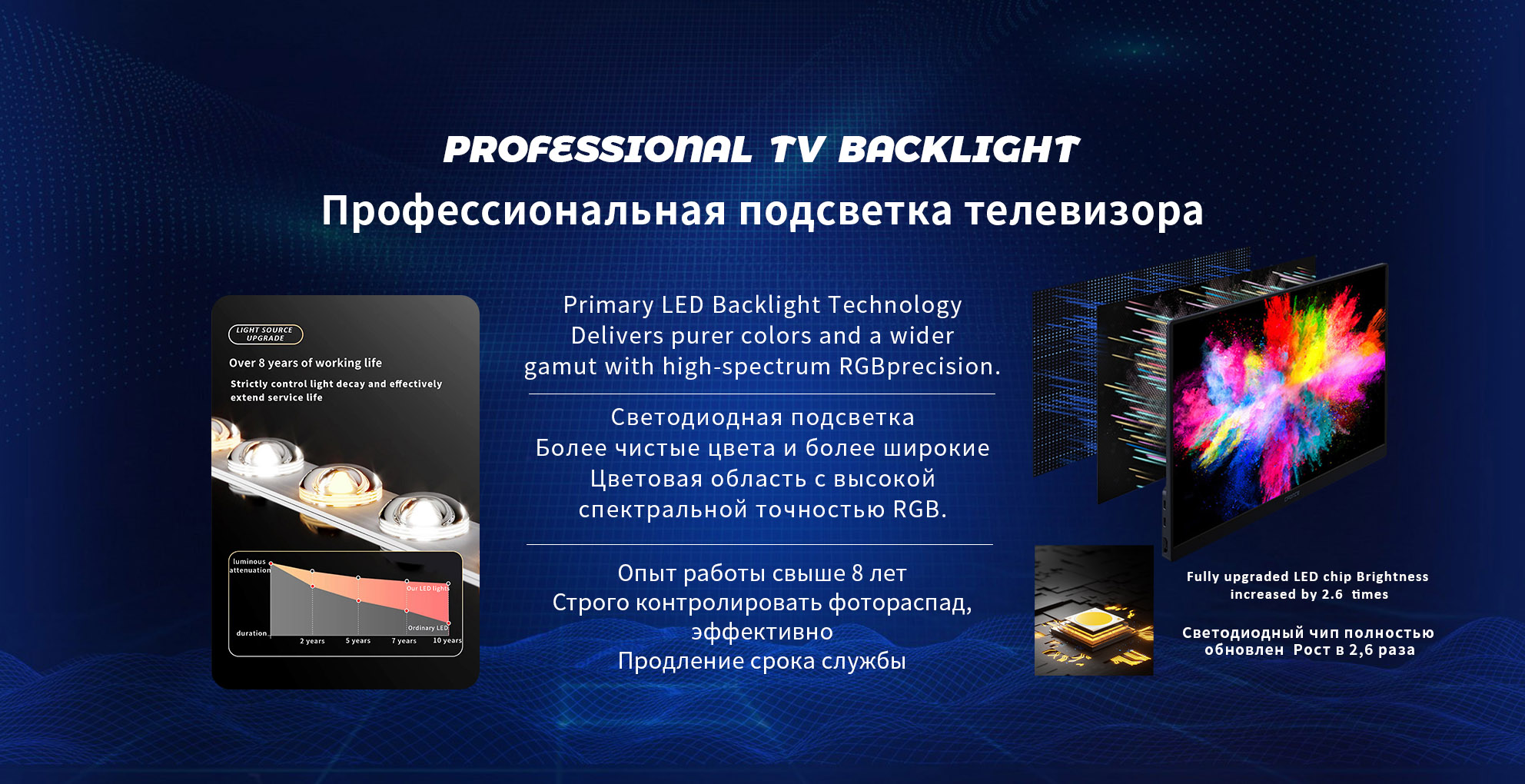
LED reliability is connected to more than whether the strip lights up for a few seconds. U.S. Department of Energy guidance notes that LED product lifetime and reliability are affected by lumen maintenance, temperature, drivers, connectors, optics, and other system factors. This is why backlight strips should be tested for stable output, correct polarity, and visible brightness consistency before closing the TV.
For batch repair, a short aging test can reduce repeat failure risk. Technicians should also check lens bonding, solder joints, substrate flatness, and connector firmness. These small steps prevent unnecessary second repairs.
Work With Stable Supply And Clear Labeling
Good repair efficiency depends on both technician skill and spare parts consistency. If the same model changes LED brightness, connector quality, or strip dimension across different batches, repair teams need more time to verify every order.
Clear labels, separated packing, reinforced cartons, and repeatable specifications help warehouses ship faster and help technicians identify parts correctly. For service networks handling many TV models, stable supply can be more valuable than one-time low price.
Final Thoughts
TV repair becomes faster when diagnosis, model matching, stock planning, installation, and quality checking are connected as one process. Backlight repair is especially sensitive because the LCD panel and optical films are fragile, while the strip must match both electrical and structural requirements.
A more efficient repair system does not rely on shortcuts. It relies on accurate data, trained technicians, organized tools, stable spare parts, and a supplier that can support repeat demand with consistent quality.